News
Nov. 07, 2026
Every foundry engineer knows that quality begins the moment molten metal leaves the furnace. Yet many still overlook one of the most cost-effective ways to reduce casting defects: proper filtration in the gating system.
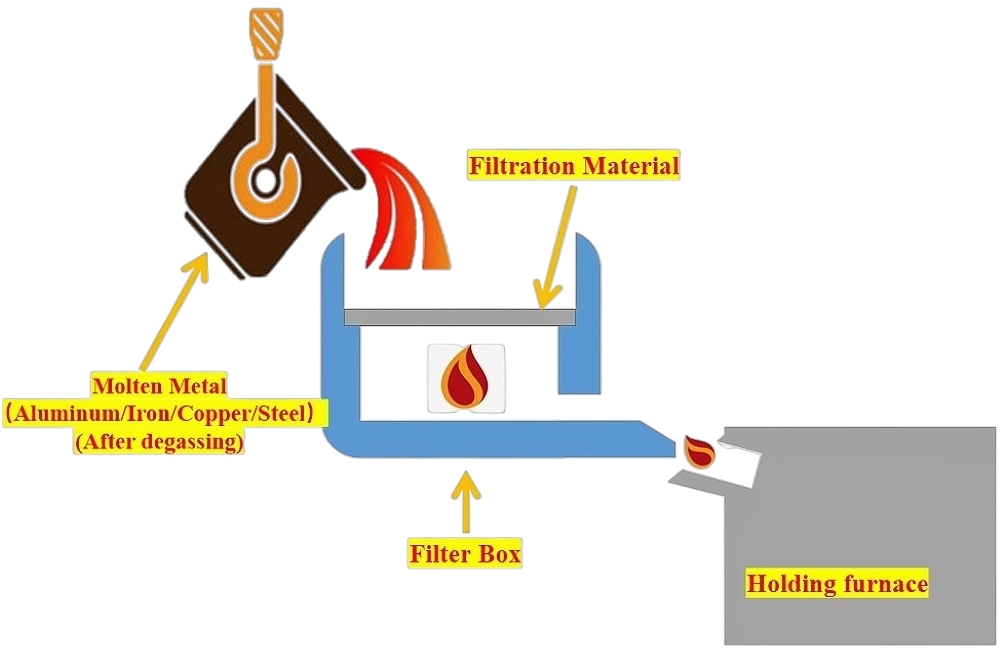
Without filtration, molten metal carries a complex mix of non-metallic inclusions directly into the mold cavity:
● Oxide films and dross — formed during melting, holding, and transfer
● Refractory erosion products — particles spalled from furnace linings, ladles, and troughs
● Mold sand and core debris — washed from the mold surface during filling
● Deoxidation products — alumina clusters and other non-metallic phases generated during steelmaking
These contaminants do not remain suspended. They float, sink, or become entrapped in the solidifying casting, where they manifest as:
● Surface defects — slag holes, sand inclusions, and oxide films that require grinding, welding, or rejection
● Subsurface inclusions — particles that cause failure during machining or in service
● Reduced mechanical properties — lower tensile strength, diminished fatigue life, and inconsistent elongation
● Higher scrap rates — castings rejected after inspection or, worse, after customer installation
The direct cost of a defective casting is only the beginning. When inclusions cause:
● Increased machining time and accelerated tool wear
● Customer returns, warranty claims, and rework
● Lost production time from sorting and inspection
Damage to your reputation in a competitive market
…the cumulative cost far exceeds the price of the filtration media itself.
Filtration in the gating system addresses these problems at two levels:
● Flow control— as molten metal passes through the filter, turbulence is dissipated and metal enters the mold cavity under more laminar, controlled flow. This minimizes air entrainment, oxide film formation, and mold erosion.
● Inclusion removal — non-metallic particles are captured through a combination of mechanical entrapment and surface adsorption as metal flows through the porous filter medium.
The result is not just a cleaner casting — it is a more predictable, more profitable foundry operation.
In industries such as automotive, aerospace, and energy, where castings must meet stringent quality standards, filtration is no longer a choice — it is a requirement. Foundries serving these sectors rely on filtration to:
● Meet customer specifications for inclusion rating
● Pass radiographic and ultrasonic inspection
● Reduce machining allowances and secondary operations
● Maintain competitive delivery schedules
Not all filters are created equal. The optimal choice depends on:
● Alloy type and pouring temperature — different metals require different filter materials and pore structures
● Casting geometry and section thickness — complex or thin-walled castings benefit from tailored filter configurations
● Production volume and automation level — high-volume lines require filters that perform consistently in automated gating
● Quality requirements — critical applications demand finer filtration and tighter quality control
Working with a specialized filtration supplier to evaluate your gating system and application is the most effective first step toward reducing defects and improving casting consistency.
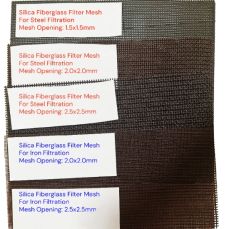
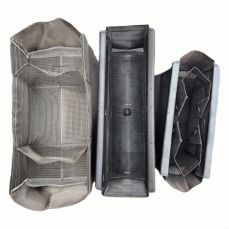
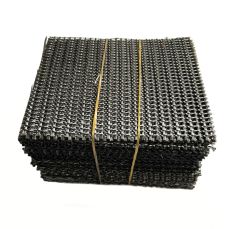
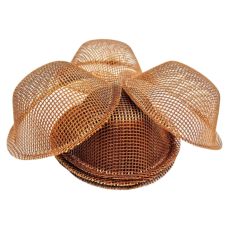
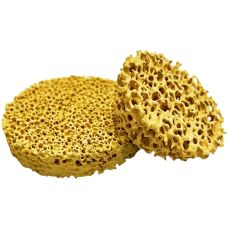
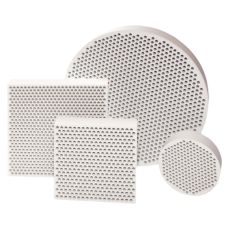
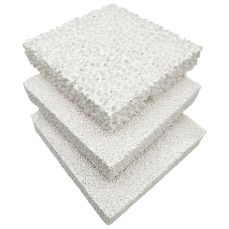
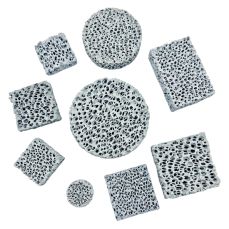
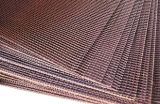
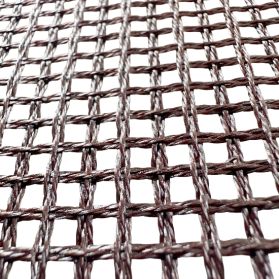
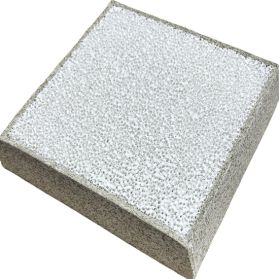
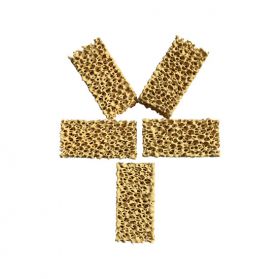
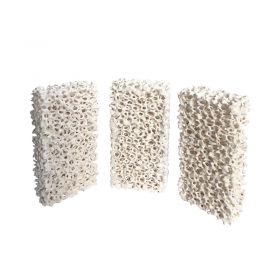
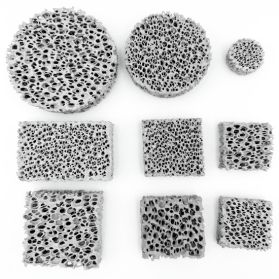
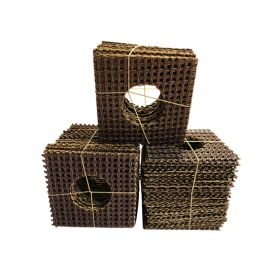
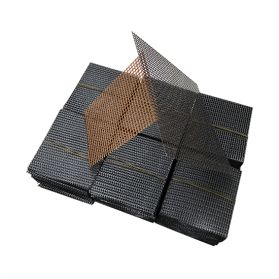
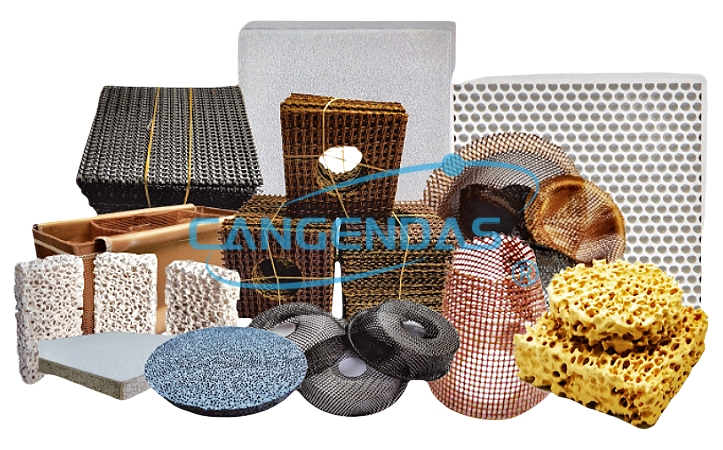
Hebei CangChen is a specialized manufacturer focused exclusively on foundry filtration products. The company's comprehensive range includes fiberglass filter mesh, cap filters, ceramic foam filters, and custom filtration solutions designed for aluminum, iron, copper, and steel casting applications.
Backed by years of experience working with foundries worldwide, Hebei CangChen partners with customers to evaluate gating systems, recommend the right filter material and pore size, and deliver tailored filtration solutions that reduce defects and improve casting consistency.
Explore our product range to learn how filtration can improve your casting results.
Why Filtration Is Essential in Modern Foundry Operations
Nov. 07, 2026
Top 10 Applications Of Fiberglass Filtration Mesh
Oct. 26, 2026
Contact Us
+86 158 3011 4065
Guoruiyuan Building, ShengLi North Street, Chang'An District, Shijiazhuang City, Hebei Province, China.
Navigation
Navigation