News
Jul. 30, 2026
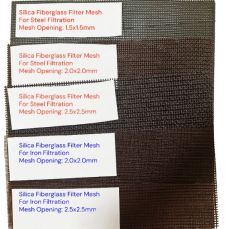
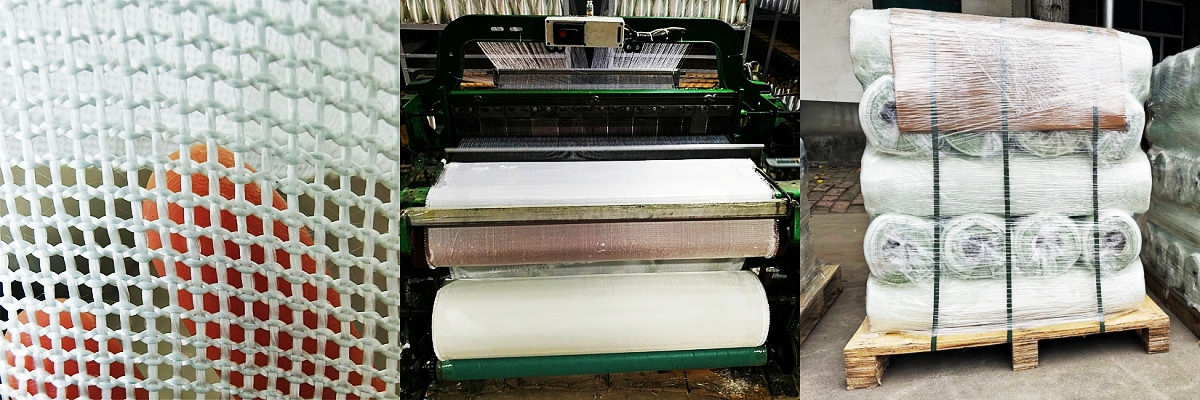
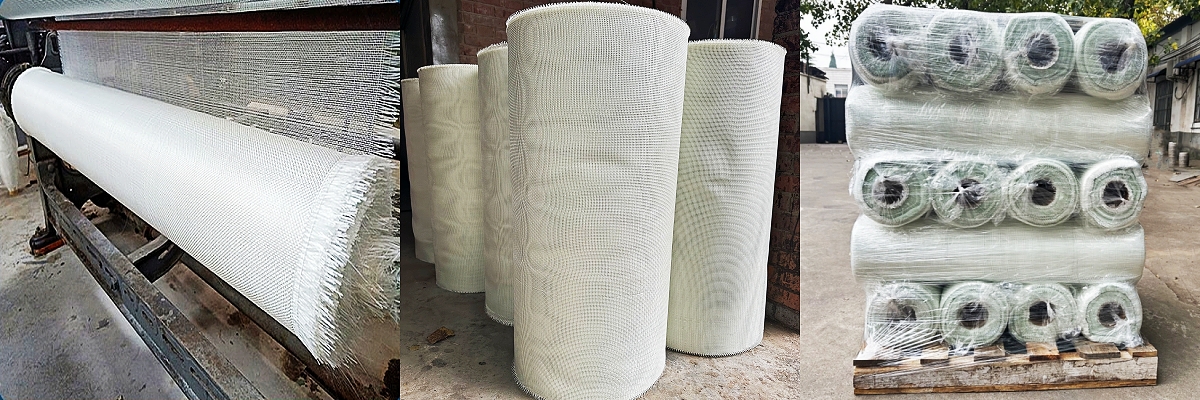
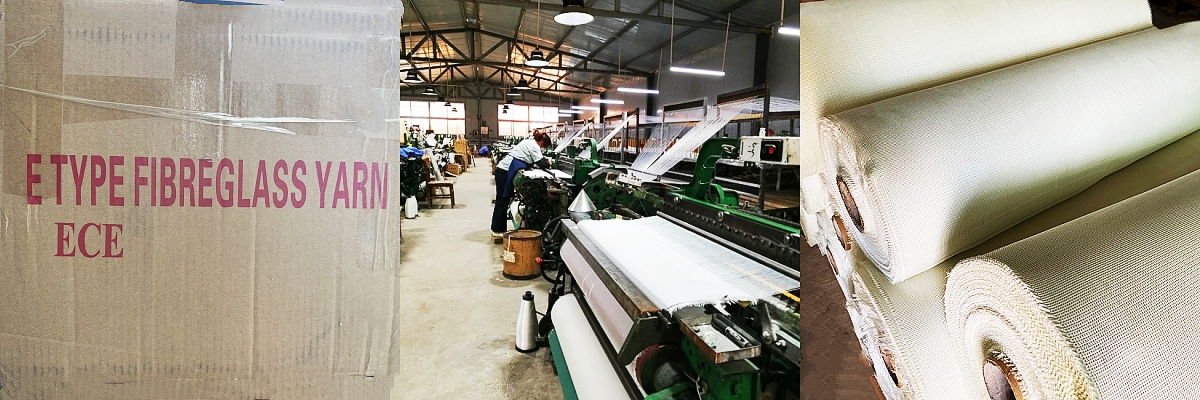
● Raw materials: High-twist alkali-free E fiberglass yarn. Only two processes - weaving and high-temperature degreasing - are carried out. No resin coating or surface film treatment is applied.
● Appearance: Pure white color, soft and fluffy fabric, loose grid pattern, edges cut easily resulting in loose threads; lightweight and flexible, can be freely bent and sewn.
● Core structure: Only the glass fiber filament itself, without any additional organic attachments.
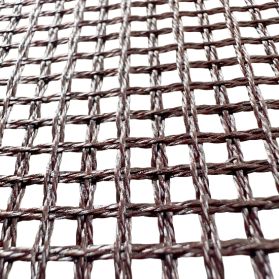
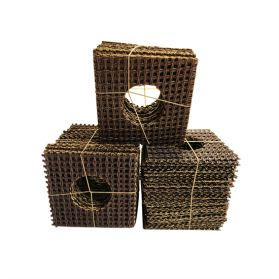
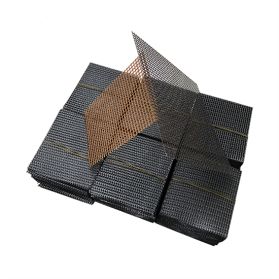
● Raw materials: High-twist, alkali-free fiberglass fabric of the same specification. After weaving, it undergoes a process of degreasing followed by impregnation with modified phenolic resin for high-temperature resistance and then low-temperature drying and shaping, ensuring that the coating uniformly covers each fiberglass strand.
● Appearance: Creamy white / off-white color, fabric is stiff and has rigidity, the grid is fixed and does not slip; the cutting edge is locked with threads and does not cause the edge to disintegrate, it bends with elasticity and is not prone to collapsing.
● Coating composition: High-temperature resistant phenolic resin + coupling agent + flame retardant additive. The coating weight accounts for 8% - 15% of the total fabric weight.
Advantages:
1. Lowest price cost: No impregnation process, significant reduction in raw material and processing fees, suitable for large-scale use in continuous melting and casting lines for aluminum ingots and rods.
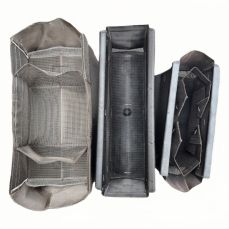
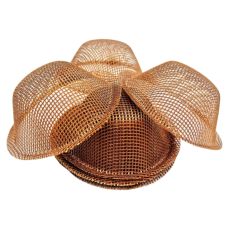
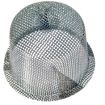
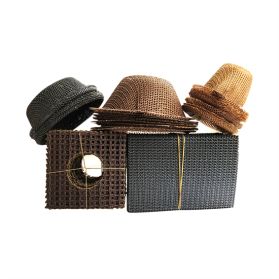
2. Extremely soft and easy to process: It can be freely folded, sewn into long filter bags, and simple funnel-type filter caps. It is suitable for irregular flow channels and the water outlet of the casting ladle.
3. No carbon pollution during reprocessing: Without resin coating, the riser and gate along with the filter screen are directly reprocessed in the furnace. No carbon elements will seep into the aluminum liquid, and the waste material utilization rate is 100%.
4. Lightweight and thin, it has less resistance to the flow channels and gate openings, and thus does not slow down the flow rate of the aluminum liquid.
Disadvantages:
The grid is highly prone to deformation and leakage of slag: without resin setting, after the aluminum liquid impacts, the warp and weft yarns slide and the mesh size expands. Micron-sized alumina slag directly passes through the filter mesh, resulting in porosity defects in the castings.
2. Poor erosion resistance and prone to damage: During large-scale and high-flow pouring, the center of the filter screen is likely to be cracked, resulting in the complete destruction of the entire aluminum casting.
3. Installation is cumbersome: It requires a metal support net to be installed in conjunction, and a large amount of sand needs to be compacted around it. The labor cost for installation is high, and it cannot be adapted to automated production lines.
4. It is only suitable for short-term pouring. For continuous casting for more than 20 minutes, the filtration accuracy will sharply decline.
Advantages:
1. The grid is permanently formed and the filtration accuracy remains stable: The resin coating firmly fixes the mesh screen. Regardless of the aluminum liquid flushing or hydraulic compression, the hole diameter remains unchanged throughout the process. The interception rate of fine oxide residues is stable at over 95%, significantly reducing the scrap rate of casting slag holes.
2. Self-rigid, easy to install: The rigid fabric surface can be directly laid flat over the gate, with only a small amount of sand pressing at the edges to secure it. No brackets are required, and it is suitable for automated low-pressure casting gate cups.
3. Anti-erosion, long-term casting resistance: The coated reinforced glass fiber yarn has significantly enhanced tensile strength. It can withstand continuous 25-minute high-flow casting without cracking or collapsing.
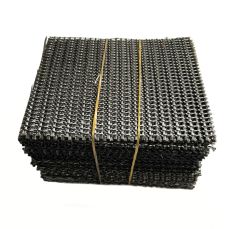
4. The cutting process does not cause any fraying. It enables the mass production of standard circular, square filter plates and conical filter caps. The sizes are uniform and they are suitable for the mold assembly line.
Disadvantages:
1. Higher procurement cost: The two processes of impregnation and drying increase production costs, and the unit price is higher than that of plain fabric without coating.
2. Slight emission of smoke and fumes: The surface resin undergoes high-temperature decomposition, generating trace amounts of smoke and gases. It is strictly prohibited for use in precision thin-walled castings such as pistons and hubs, as it is prone to cause subsurface pinholes and gas pores.
3. The fabric surface is stiff and cannot be overly bent. The adhesion of the extremely irregular small gates is not as good as that of plain white fabric.
4. Re-melting will produce a small amount of carbon slag. It is not recommended to use high-end aviation aluminum alloy castings for a long time.
1. Continuous melting and casting channels for aluminum ingots, rods and plates are equipped with long-lasting flat-layer filtration.
2. Low-end sand-cast aluminum small parts, agricultural aluminum accessories, and ordinary die-cast hardware (with a high tolerance for air bubble defects);
3. Simple pre-treatment filtration before pouring into the furnace, and short-term transportation to remove large floating slag.
4. The demand for cost reduction in large-scale assembly lines requires the daily consumption of tens of thousands of filter screens.
1. Gravity casting motor housing, motorcycle aluminum shell, conventional aluminum alloy structural components;
2. Small low-pressure casting gate cups and semi-automatic mold production line;
3. Uniform cutting standards for square/round filters need to be established, and simple filter caps should be mass-produced and sewn.
4. Situations where it is impossible to install metal support brackets or where the manual installation process can be simplified;
5. The single pouring duration is 15 to 25 minutes, and the medium-flow aluminum liquid is filtered.
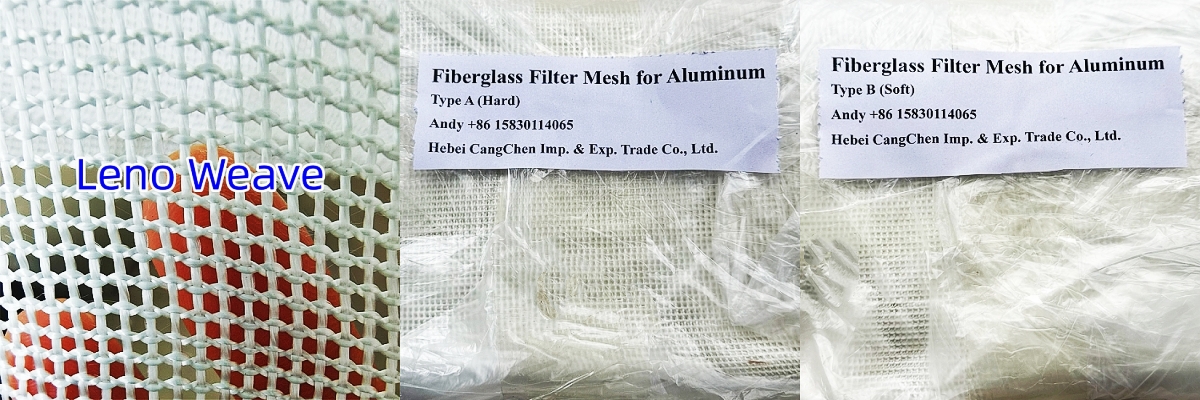
After negotiation with the customer, we will send two types of samples for their testing and evaluation.
We hope that the customer's test goes smoothly, and then we can establish a significant cooperation in the future.
Foundry filtration solutions from Hebei Cangchen
Sep. 13, 2026
Contact Us
+86 158 3011 4065
Guoruiyuan Building, ShengLi North Street, Chang'An District, Shijiazhuang City, Hebei Province, China.
Navigation
Navigation