News
Oct. 19, 2026
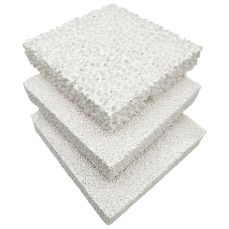
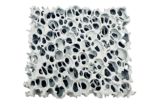
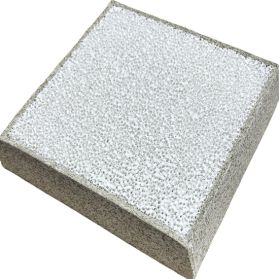
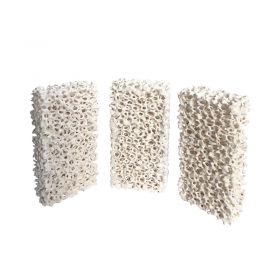
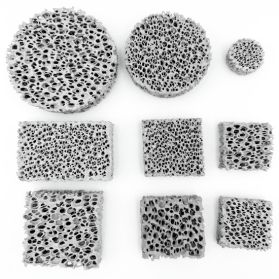
The perimeter gasket sits between Alumina ceramic foam filter(CFF) plate and filter bowl seating surface. Its primary job is to eliminate bypass channels. If bypass occurs, molten aluminium will flow around the filter instead of passing through the ceramic foam media, rendering filtration ineffective and leaving oxide inclusions, dross and flux residues in final castings. Proper gasket selection ensures 100% of molten aluminium travels through the filter’s tortuous pore network for inclusion capture.
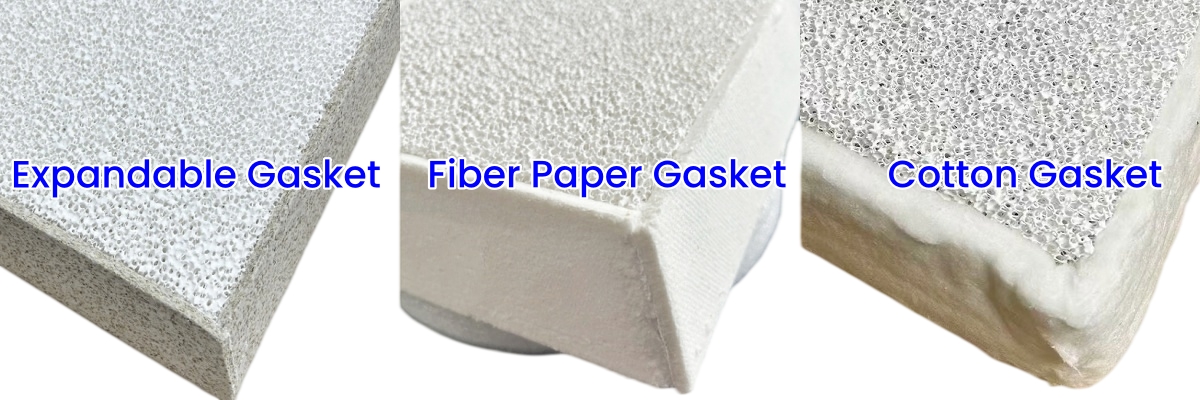
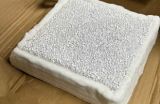
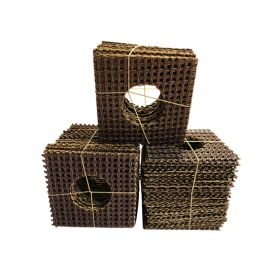
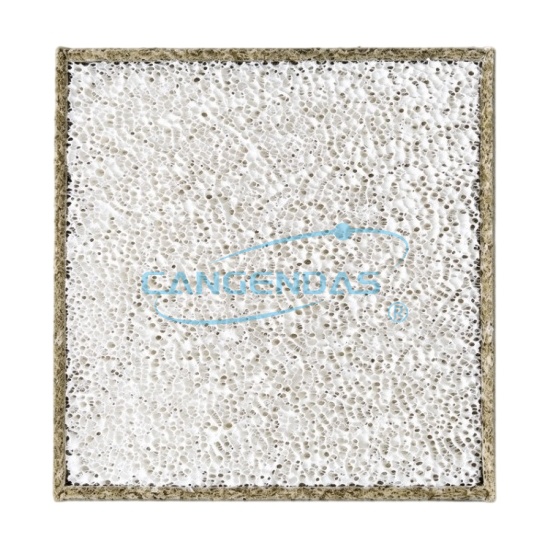
Vermiculite composite refractory gasket, formulated with vermiculite mineral blended within inorganic fiber matrix. It is an intumescent seal material engineered specifically for demanding aluminium casting conditions. When exposed to casting heat, the gasket expands moderately to fill micro-gaps between filter plate and filter seat automatically.
✅Key Benefits
Thermally activated self-sealing property is its biggest advantage. As heat from molten aluminium transfers to the gasket, controlled expansion closes tiny interface clearances that inevitably appear from thermal expansion mismatch between mold and ceramic filter. Outstanding thermal shock resistance and resistance to molten aluminium attack. It maintains sealing integrity under high metallostatic head and high metal throughput, reliably stopping aluminium bypass even for large casting runs. Minimal degradation and no powdering under long pour cycles.
⚠️Limitations & Practical
ConsiderationsHigher unit cost than cotton or fiber paper gaskets. The composite matrix is relatively brittle; rough handling, dropping or edge impact will cause corner chipping before installation. Operators must use care during filter stacking, transport and mold placement.
Foundry Application
Large thick-section aluminium castings, high-flow pouring conditions, parts with strict quality requirements where zero bypass leakage is mandatory. Preferred for aerospace, critical automotive structural aluminium castings and heavy section castings, cases with high metallostatic head or long hold times during pouring.
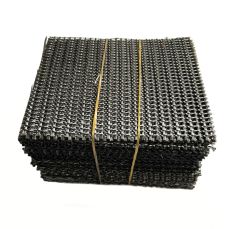
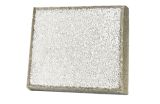
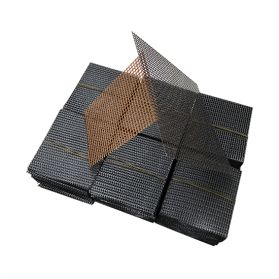
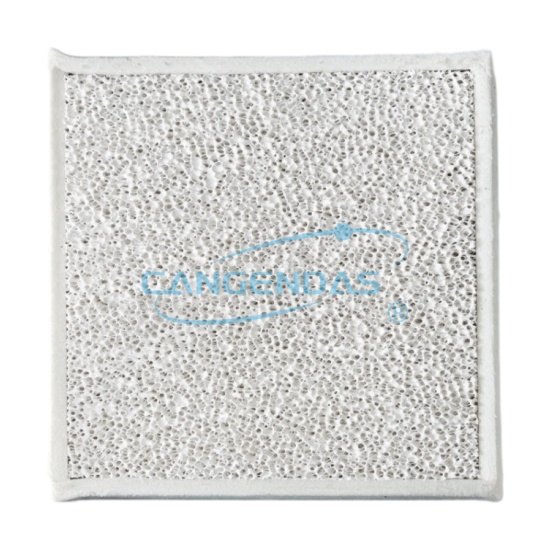
Made from inorganic refractory ceramic fiber paper, precision die-cut into uniform flat strips with consistent thickness and crisp, clean edges. This is the standard gasket specified for automated high-volume aluminium foundry lines.
✅Key Benefits
Tight dimensional stability, consistent thickness across the whole gasket strip, optimized for high-speed automated cutting and filter assembly lines. Superior erosion resistance compared to cotton gasket. Slim profile saves valuable runner/gating space. No organic binders that generate hydrogen gas during aluminium pouring. Stable thermal performance through repeated short thermal cycles.
⚠️Limitations & Practical
ConsiderationsLow compressibility and minimal cushioning effect. It cannot conform to uneven seating surfaces. If the filter seat has machining imperfections, gaps may form at the interface, creating potential bypass pathways. Careful installation and flat, precision-machined filter seats are mandatory to avoid leakage. Rough handling may crack or chip the rigid paper edge.
Foundry Application
Mass automated aluminium casting production, dedicated filter stations with fully machined flat filter bowls. Suited for medium flow rates, consistent pour parameters, serial production of aluminium alloy castings where process repeatability is prioritized.
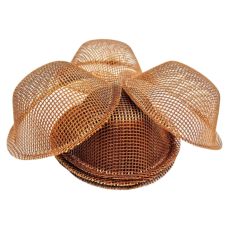
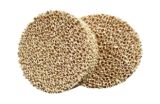
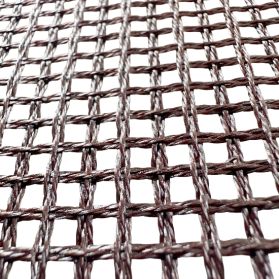
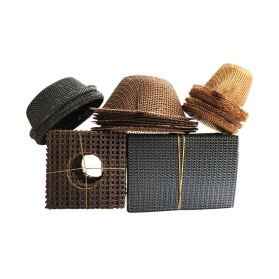
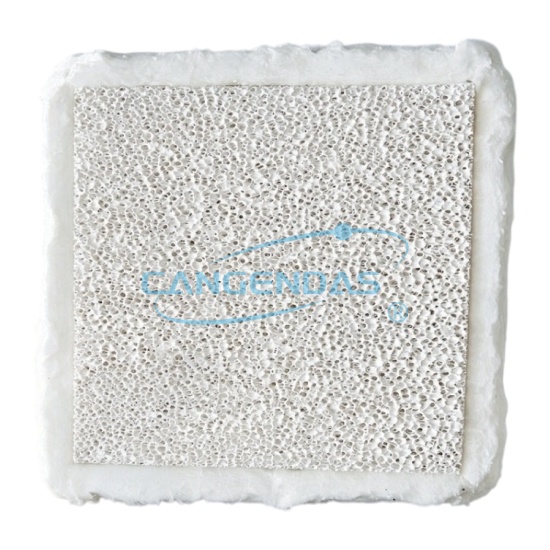
Cotton gasket is constructed from high-temperature textile cotton fibre, woven and stitched into a compressible edge seal. It is the economical baseline gasket choice for aluminium foundry filtration systems.
✅Key Benefits
High compressibility and conformability. It compresses locally to accommodate minor surface irregularities on filter seats, creating a continuous seal without demanding ultra-precise machining of the mold seat. Easy die-cutting to match custom filter dimensions, low raw material cost, simple handling on the foundry floor. It absorbs minor mechanical shock during filter installation, reducing edge chipping risk to the brittle ceramic foam plate.
⚠️Limitations & Practical
ConsiderationsOrganic fibre components degrade under prolonged exposure to sustained high aluminium pouring temperatures. Extended hold time under hot molten aluminium will gradually cause fibre embrittlement and surface powdering. Not suitable for high-metallostatic-head, high-flow-rate or long-duration continuous pouring cycles. Once degraded, small gaps can open up and permit aluminium bypass.
Foundry Application
Recommended for gravity casting and low-pressure casting of small-to-medium aluminium castings, short pour cycles, and cost-sensitive production batches. Ideal when filter seat machining tolerance is loose and minor surface unevenness exists. Common for automotive non-critical components, general hardware aluminium castings.
| Gasket Type | Seat Flatness Requirement | Compressibility | Best Pour Condition | Typical End Use |
| Cotton Gasket | Tolerates minor unevenness | High | Medium flow, short pour | Small & medium general aluminium castings, budget projects |
| Ceramic Fiber Paper Gasket | Requires precision flat seat | Low | Medium flow, consistent cycle | Automated mass aluminium foundry production |
| Vermiculite Expanding Gasket | Normal machined seat acceptable | Controlled thermal expansion | High flow, long pour, high metallostatic head | Large / critical aluminium castings, zero bypass requirement |
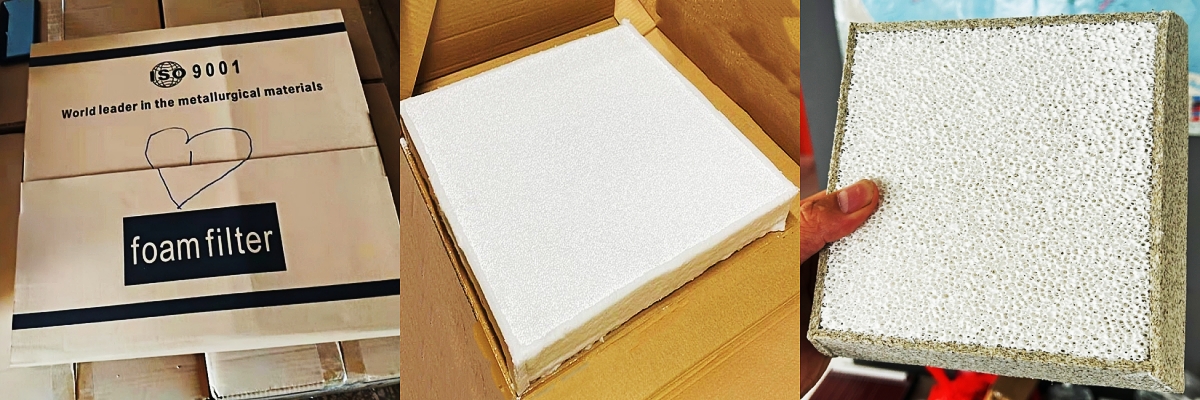
Three Gaskets Options Alumina CFF Aluminum Foundry
Oct. 19, 2026
Contact Us
+86 158 3011 4065
Guoruiyuan Building, ShengLi North Street, Chang'An District, Shijiazhuang City, Hebei Province, China.
Navigation
Navigation