News
Oct. 19, 2026
Filtration Solutions for Iron and Copper Casting
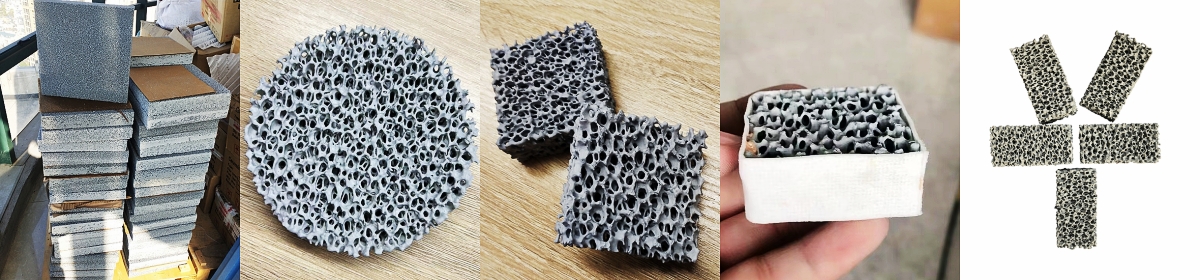
If you are pouring iron or copper, alumina filters will fail. Not gradually — they will crack, soften, or dissolve on first contact with metal at 1,400°C and above. That is not a small performance gap; it is a material category mismatch.
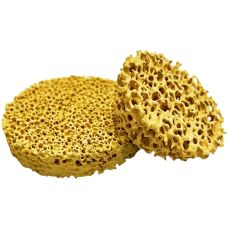
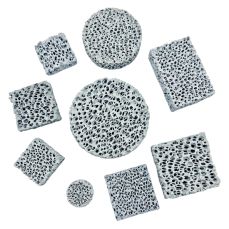
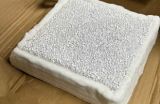
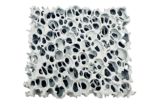
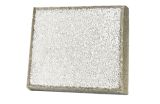
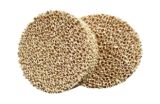
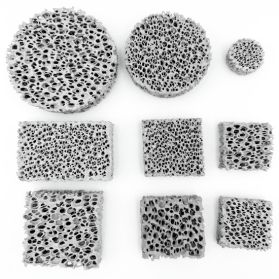
Silicon carbide foam filters are engineered specifically for the temperature range where alumina cannot survive:
| Material | Max Service Temp | Short-term Peak | Best For |
| Alumina (Al₂O₃) | ~1,100°C | ~1,200°C | Aluminum alloys |
| Silicon Carbide (SiC) | ~1,500–1,550°C | ~1,600°C | Gray iron, ductile iron, copper alloys |
| Zirconia (ZrO₂) | ~1,700°C | ~1,750°C | Steel castings |
SiC also brings a thermal shock resistance that alumina simply does not have. When a 1,450°C iron stream hits a cold filter plate sitting in the mold, the thermal delta is brutal. SiC absorbs that shock without cracking — which means the filter stays intact and does its job through the entire pour.
Iron castings fail for predictable reasons. SiC foam filters target the root causes, not the symptoms:
● Slag and oxide inclusions— from furnace slag, ladle carryover, and re-oxidation during pouring. SiC depth filtration removes 90%+ of these before they reach the mold cavity.
● Magnesium reaction products (ductile iron) — the Mg treatment that makes iron ductile also generates oxides and dross. These float around in the melt and end up as inclusions in the casting. SiC catches them.
● Inoculant residues — leftover grain nucleation particles that don't dissolve. They show up as hard spots and machining problems.
● Sand and mold erosion debris — metal washing sand out of the mold walls and carrying it into the casting. Filtered out at the gating system.
● Turbulence and re-oxidation — fast, turbulent iron flow folds over itself and creates new oxide films mid-pour. SiC calms the flow before it causes damage.
The result: fewer rejects at X-ray, fewer leak-test failures, better machinability, and cleaner as-cast surfaces.
✅Gray Iron — Cylinder Blocks, Brake Discs, Exhaust Manifolds
Gray iron pours at 1,350–1,450°C. SiC filters handle this temperature range comfortably. Typical gains:
● Reduced inclusion-related porosity in cylinder block water jackets
● Cleaner brake disc surfaces — fewer blowholes, less machining stock
● Improved manifold surface finish — fewer sand inclusions and slag spots
✅Ductile Iron — Crankshafts, Wheel Hubs, Pipe Fittings, Gears
Ductile iron pours hotter and has less fluidity than gray iron. This changes the filter selection logic:
● Use coarser PPI (10–15 PPI) — ductile iron thickens fast, and fine pores clog before the mold is full
● Filter out magnesium dross and oxide films that would otherwise cause spotting and inconsistency
● Consistent mechanical properties across the batch — fewer Weibull modulus spreads from inclusion-driven defects
✅Copper Alloys — Valves, Pump Bodies, Plumbing Hardware
Copper alloys pour at 1,200–1,350°C. SiC is fully compatible:
● Removes copper oxide films and slag that cause leak paths in pressure valves
● Cleaner surfaces for decorative and plumbing components — less polishing, fewer touch-ups
✅Malleable Iron — Pipe Fittings, Hardware
SiC filters reduce inclusions that would otherwise cause brittle spots and failure in malleable iron parts.
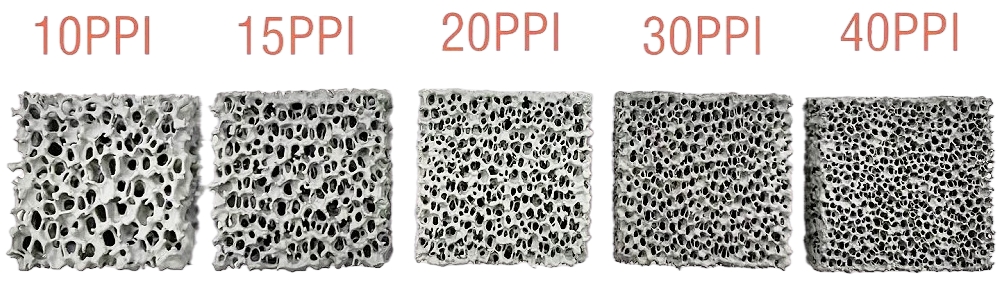
| PPI | Best For | Why |
| 10 PPI | Heavy-section ductile iron, large gear castings, thick pipe fittings | Ductile iron has low fluidity — coarse pores keep the metal flowing until the mold is full |
| 15 PPI | Medium-section ductile iron, general gray iron production | Balanced filtration and flow for most automotive and industrial castings |
| 20 PPI | Thin-section gray iron, smaller castings, copper alloys | Finer filtration for parts where surface finish and internal cleanliness matter more |
| 30 PPI | Small, precision iron castings, thin-wall sections | Maximum cleanliness — only when flow rate is not the limiting factor |
● 10 /15 PPI: High permeability, primary coarse slag retention. Ideal for heavy dross loads in ductile iron, large casting gating systems.
● 15 /20 PPI: General-purpose grade for grey iron and standard ductile iron. Balances flow capacity and inclusion capture for routine serial casting.
● 20 /25 /30 PPI: Target thin-wall iron castings and components requiring high internal soundness. Captures fine oxide inclusions without excessive flow restriction.
● 30 /40 PPI: Fine filtration grade for premium copper alloy castings, demanding ultra-clean melt and superior surface quality.
Foundries running SiC foam filters on iron and copper operations typically report:
● 60–90% reduction in inclusion-related scrap — slag, sand, oxide film defects
● 20–40% reduction in machining time — cleaner surfaces mean less stock to remove and fewer tool breakages on hard spots
● Consistent mechanical properties — less batch-to-batch variation from inclusion-driven defect clusters
● Fewer leak-test failures on pressure-tight castings (valves, pipe fittings, hydraulic housings)
● Lower rework and repair welding costs — as-cast quality improves, fewer parts need touch-up
The filter itself is a low-cost consumable. The return comes from what you stop throwing away.
Iron casting has its own installation realities:
● Preheat consideration: For high-volume production, some foundries preheat the filter seat to reduce thermal shock. SiC is more tolerant than alumina, but preheating still helps for large plates and long pours.
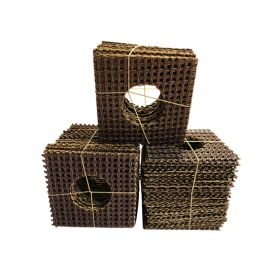
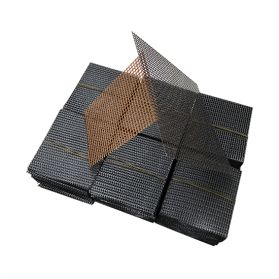
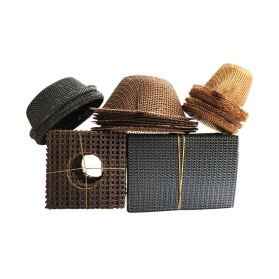
● Sealing matters: Iron is more aggressive than aluminum. Edge sealing (fiber paper, vermiculite gasket, or refractory mortar) is not optional — bypass iron causes unfiltered metal to enter the mold and negates the entire filtration benefit.
● Filter size: Size the filter face area for the pouring rate, not just the casting weight. Iron flows slower than aluminum — account for solidification time in your flow calculation.
Three Gaskets Options Alumina CFF Aluminum Foundry
Oct. 19, 2026
Contact Us
+86 158 3011 4065
Guoruiyuan Building, ShengLi North Street, Chang'An District, Shijiazhuang City, Hebei Province, China.
Navigation
Navigation