News
Jun. 29, 2026
Fiberglass Filtration Mesh is essential for industries needing reliable filtration solutions. This guide is tailored for professionals in manufacturing, water treatment, and environmental management who face challenges in achieving high filtration efficiency while minimizing downtime. This mesh addresses common issues such as clogging and limited durability, ultimately enhancing operational performance and productivity. By understanding its composition and applications, companies can make better choices in their filtration systems, yielding measurable improvements in efficiency and cost-effectiveness.
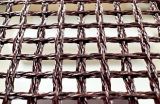
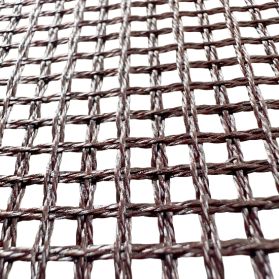
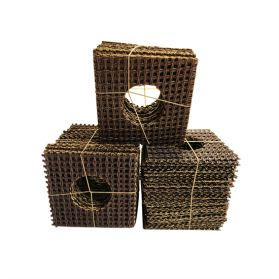
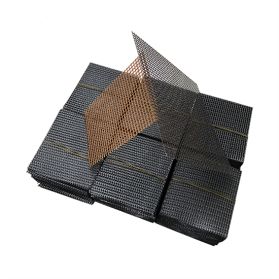
Fiberglass filtration mesh, commonly referred to as fiberglass filter cloth, is a synthetic material made from woven glass fibers. The fundamental principle behind its use is based on its ability to trap particulate contaminants effectively while allowing liquid or air to pass through with minimal resistance. Fiberglass\'s physical properties, such as tensile strength and chemical resistance, make it a preferred choice in various applications. The mesh typically features a micronic rating, indicating its filtration capability; for example, a 5-micron mesh can effectively capture particles as small as 5 micrometers.
Filtration Efficiency: Measured in terms of the percentage of particles filtered out, fiberglass mesh can achieve efficiencies of up to 99.9% in specific applications.
Tensile Strength: The tensile strength of typical fiberglass mesh is approximately 80,000 psi, allowing it to withstand high operational pressures.
Micron Rating: Refers to the size of particles the mesh can filter; finer meshes have lower micron ratings.
The first step involves assessing the specific contaminants present in your situation, whether in air, water, or industrial fluids. A detailed analysis can reveal concentrations that may require specific mesh specifications.
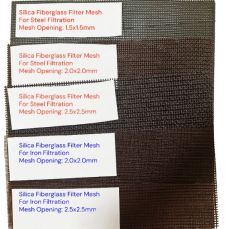
Choose a mesh based on the identified needs. For instance, if you require high chemical resistance, opt for a mesh formulated with specialized resin coatings. HEBEI CANGCHEN offers a variety of options tailored to different scenarios.
Ensure that your filtration system is clean and free from previous debris or contaminants. Proper maintenance at this stage can enhance the longevity and efficacy of the fiberglass mesh being installed.
Follow manufacturer instructions during installation. For HEBEI CANGCHEN products, ensure that the edges are sealed adequately to prevent bypassing of unfiltered fluids.
After installation, regularly check the pressure drop across the filter and the clarity of the filtrate to ensure the mesh is functioning at an optimal filtration rate, typically measured by a flow rate increase of 25% within the first hour of use.
Establish a routine maintenance schedule that includes cleaning or replacing the mesh as needed, typically every 3 to 6 months, depending on the loading conditions and filtration performance observed.
Q: How long does fiberglass filtration mesh typically last?
A: Lifespan largely depends on usage conditions but can last between 1 to 5 years. Regular monitoring can help in extending its usability.
Q: Can fiberglass mesh be recycled?
A: While direct recycling of used fiberglass mesh can be challenging due to resins, they can often be properly disposed of in compliance with local regulations.
Q: Is fiberglass mesh suitable for high-temperature applications?
A: Yes, many fiberglass meshes can withstand temperatures exceeding 500°F (260°C), making them appropriate for high-temperature filtration tasks.
Explore advanced applications of fiberglass mesh in the chemical processing and aerospace industries. Research into hybrid materials, combining fiberglass with other composites, has shown promise, with applications improving filtration efficiency by up to 50% in some specialized environments. Additionally, advancements in nanotechnology may enhance the properties of fiberglass, leading to innovative filtration solutions.
For professionals looking to improve filtration systems, we recommend exploring the extensive range of fiberglass filtration mesh products from HEBEI CANGCHEN. Their commitment to quality and innovation assures that you will find the right solution for any filtration challenge. For inquiries and personalized assistance, please contact HEBEI CANGCHEN today.
Alkali Free Fiberglass Filter Mesh for Molten Aluminum
Sep. 21, 2026
Contact Us
+86 158 3011 4065
Guoruiyuan Building, ShengLi North Street, Chang'An District, Shijiazhuang City, Hebei Province, China.
Navigation
Navigation