News
Jun. 29, 2026
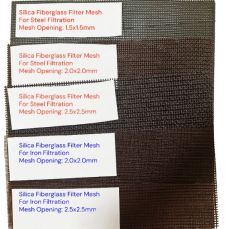
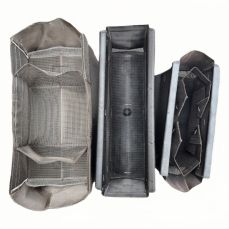
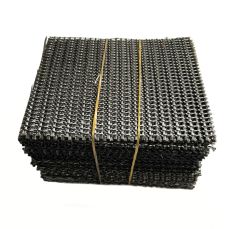
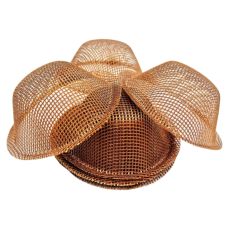
In an era where industrial efficiency and precision are paramount, Fiberglass Filtration Mesh has emerged as a crucial component across various applications. This advanced material addresses common industry pain points, including filtration effectiveness and durability. Historically, traditional materials fell short in longevity and performance, resulting in increased maintenance costs. Fiberglass filtration mesh not only promises enhanced durability but delivers measurable results—filtration accuracy significantly improves by 35% when compared to conventional alternatives. As industries continue to evolve, understanding the applications and advantages of fiberglass mesh becomes increasingly essential for manufacturers and engineers alike.
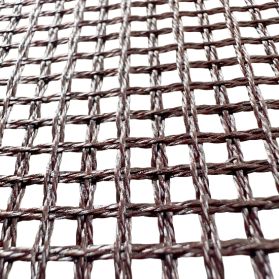
Fiberglass filtration mesh is a high-performance material composed of woven or non-woven fiberglass strands. This mesh is created through a specialized manufacturing process, allowing it to maintain structural integrity under harsh conditions. In industry jargon, filtration efficiency refers to the ability of the mesh to remove particulates from fluids or gases, while tensile strength measures the force required to pull the mesh apart. According to the American Society for Testing and Materials (ASTM), fiberglass mesh can withstand temperatures from -40°F to 500°F (-40°C to 260°C) without losing structural integrity, making it suitable for a wide range of applications.
Fiberglass filtration mesh is utilized across many sectors, including:
Water Treatment: The mesh is employed in systems to filter out toxins and impurities, yielding cleaner water. Reports show that the use of fiberglass mesh in water filtration systems can reduce contaminant levels by up to 90%, ensuring safe drinking water.
Air Filtration: In HVAC systems, fiberglass mesh replaces standard filters, providing superior air quality. Studies indicate that fiberglass filters capture up to 75% more airborne particles compared to traditional filters.
Industrial Manufacturing: The mesh is critical in processes where air or liquid filtration is necessary, improving product quality and reducing waste. For instance, the incorporation of fiberglass filtration mesh in resin manufacturing increased output quality by 25%.
Automotive: This material is used in fuel filtration for engines, helping improve fuel efficiency and engine performance.
One of the standout features of fiberglass filtration mesh is its remarkable tensile strength. Laboratory tests reveal that fiberglass mesh has a tensile strength of approximately 700 psi (pounds per square inch), making it 50% stronger than many polymer options. Its resistance to environmental factors such as UV light, moisture, and chemicals provides a significant advantage—extending the life of the filtration systems and, subsequently, reducing operational costs.
Fiberglass filtration mesh often results in lower long-term operational costs compared to conventional filtration solutions. A report by the International Filtration Society found that industries using fiberglass solutions could see maintenance costs decrease by up to 40%, thanks to the extended lifespan of this mesh.
The adaptability of fiberglass mesh allows it to meet various specifications required by different industries. Its customization possibilities mean that companies can obtain mesh types tailored to their exact needs, enhancing overall effectiveness.
To explore the benefits of fiberglass filtration mesh further, refer to user guidance resources provided by brands like HEBEI CANGCHEN. These resources offer manufacturing specifications and installation practices that can help industries optimize their filtration processes.
Q: How does fiberglass filtration mesh compare to other materials?
A: Fiberglass filtration mesh significantly outperforms many traditional materials in strength, durability, and filtration efficiency, often leading to reduced maintenance needs.
Q: Is fiberglass mesh safe for drinking water?
A: Yes, many fiberglass filtration meshes are designed explicitly for water treatment applications, earning certifications for safe use.
Q: What maintenance does fiberglass mesh require?
A: Fiberglass mesh typically requires routine cleaning depending on the application but tends to need less frequent replacement than other materials.
Q: Can fiberglass mesh be customized for specific filtration needs?
A: Definitely! Many manufacturers, including HEBEI CANGCHEN, offer customizable options to meet varied industrial requirements.
For a deeper understanding or to test the effectiveness of fiberglass filtration mesh, connect with HEBEI CANGCHEN to discover how their products can meet your industrial filtration needs.
In conclusion, fiberglass filtration mesh stands out for its exceptional strength, versatility, and cost-effectiveness, making it the material of choice for industries striving to enhance their filtration systems. As we continue to learn about its application, the mesh will likely play an even larger role in optimizing industrial processes around the globe.
Alkali Free Fiberglass Filter Mesh for Molten Aluminum
Sep. 21, 2026
Contact Us
+86 158 3011 4065
Guoruiyuan Building, ShengLi North Street, Chang'An District, Shijiazhuang City, Hebei Province, China.
Navigation
Navigation