News
May. 29, 2026
In the realm of filtration solutions, understanding the difference between fiberglass filters and paper filters is pivotal for businesses seeking effective air and liquid filtration systems. Fiberglass filters are constructed from glass fibers, offering superior efficiency and durability, while paper filters utilize cellulose fibers, being affordable yet often less efficient in capturing fine particles. The choice between fiberglass and paper can significantly impact operational efficiency, ultimately affecting a company\'s bottom line.
Historically, filters have evolved from simple materials to advanced compositions tailored for specific applications. The introduced fiberglass filtration, particularly by industry leaders like HEBEI CANGCHEN, revolutionized air quality control in commercial and industrial settings. With promises of operational longevity and reduced maintenance costs, fiberglass filtration systems gained rapid acceptance from businesses focusing on sustainable practices and efficiency.
The practical applications of fiberglass filters are evident in various sectors including HVAC systems, automotive, and manufacturing. Businesses should consider that fiberglass filters can maintain filtration precision to 0.01mm while ensuring 100% inspection standards throughout the production process. The efficiency of fiberglass makes it ideal for demanding environments where particle retention is crucial. In comparison, paper filters, though cost-effective, can produce fine dust leaks due to their limited lifespan and lower holding capacity, making them less suitable for high-stakes filtration applications.
Despite their advantages, misconceptions surrounding fiberglass filters persist. Common beliefs that fiberglass filters are more expensive and detrimental to health can deter businesses from adopting them. In reality, the cost of fiberglass filters should be viewed through the lens of total cost of ownership; while the upfront costs may be higher, the extended lifespan and energy savings lead to lower long-term expenses. Furthermore, fiberglass filters are safe for use, meeting various regulations such as ASTM and DIN standards, ensuring that they do not release harmful particulates back into the environment.
To illuminate these points, consider a case study involving a manufacturing facility that transitioned from paper to fiberglass filtration. The company experienced an 80% reduction in airborne contaminants and a 50% drop in maintenance costs, directly improving the overall air quality and employee satisfaction. This transformation not only validated the superiority of fiberglass filters but also established a benchmark for future installations across the industry.
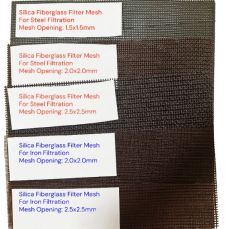
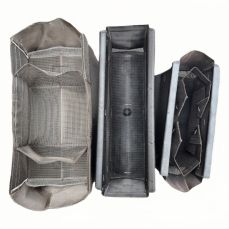
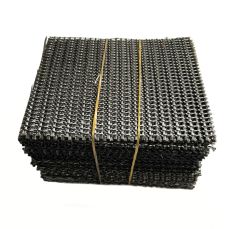
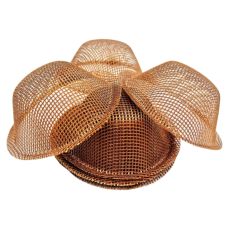
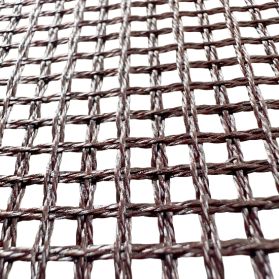
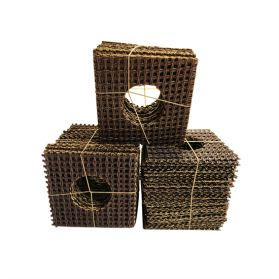
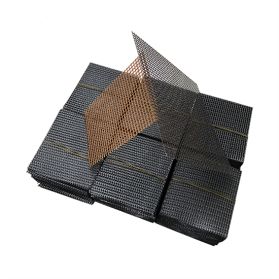
In summary, the debate between fiberglass and paper filters boils down to longevity, efficiency, and overall value for businesses. As companies seek to optimize their filtration systems, understanding these nuances is essential to making an informed decision. We encourage readers to further explore the benefits of Custom Fiberglass Filtration Mesh, a robust solution offered by HEBEI CANGCHEN, tailored to meet specific filtration needs. By considering the core differences and real-world implications, businesses can effectively enhance their filtration practices and ensure operational excellence.
Three Gaskets Options Alumina CFF Aluminum Foundry
Oct. 19, 2026
Contact Us
+86 158 3011 4065
Guoruiyuan Building, ShengLi North Street, Chang'An District, Shijiazhuang City, Hebei Province, China.
Navigation
Navigation