News
Jun. 11, 2026
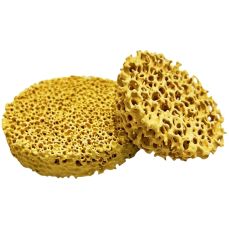
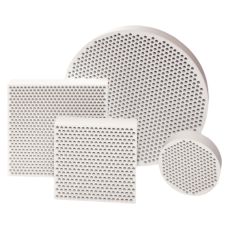
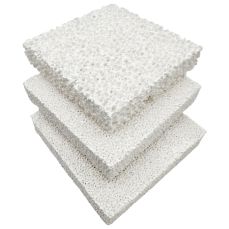
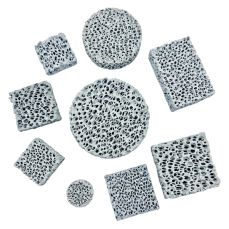
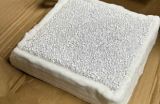
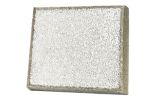
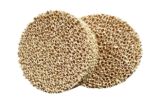
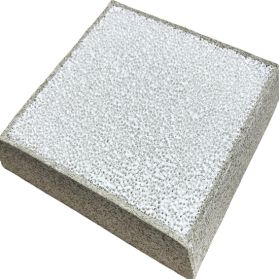
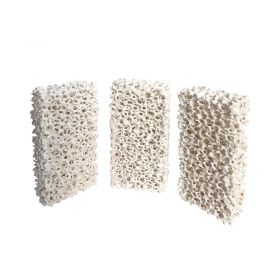
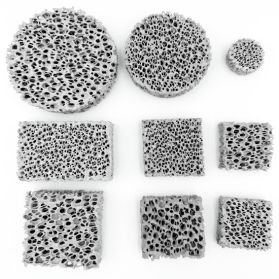
Silicon carbide Ceramic Foam Filter (mainly in the form of foam silicon carbide ceramic filters) are made from high-purity silicon carbide powder as the raw material.
They are produced through the sponge foaming replication process and then undergo high-temperature sintering to form three-dimensional interconnected mesh-like porous inorganic ceramic components.
They are core consumables in the fields of high-temperature molten metal purification and industrial high-temperature filtration and are also standard materials for slag removal and quality improvement in the casting industry of cast iron and copper alloys.
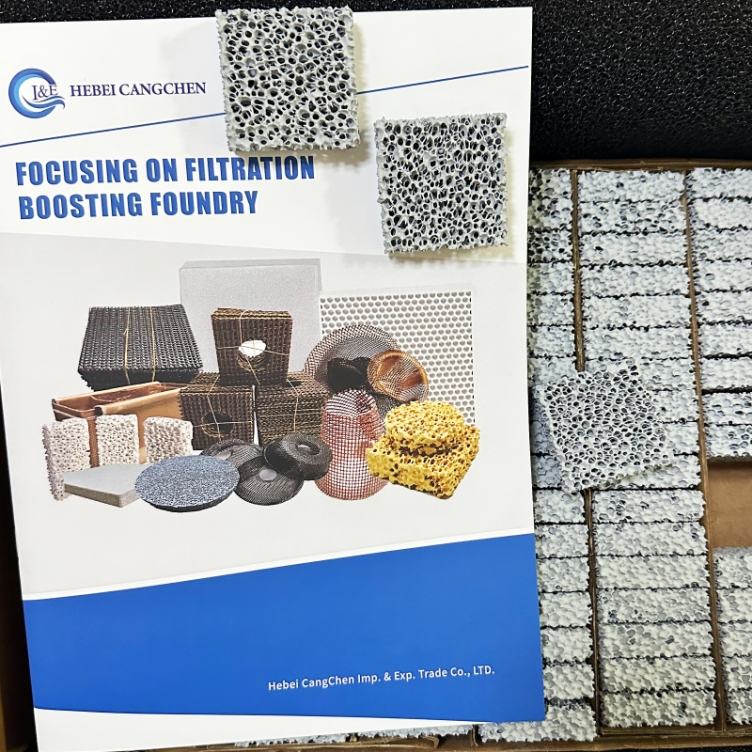
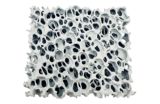
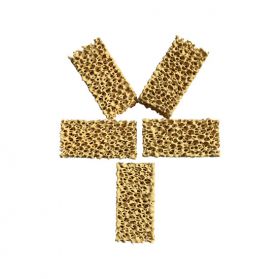
● The overall structure is a three-dimensional interconnected maze-like perforated framework, with a porosity of up to 80% to 90%.
● There are no closed blind holes, allowing liquids to pass through smoothly.
● It achieves the triple functions of interception, adsorption, and rectification through multiple layers of interlaced channels.
● The industry uses PPI (perforation per inch) to classify the pore size specifications, and common types include 10PPI, 20PPI, and 30PPI.
① 10PPI: Large aperture, high flow rate coarse filtration, suitable for large-sized thick-walled castings
② 20PPI: General standard model, suitable for cast iron, gray iron and copper parts.
③ 30PPI: Fine pore size, suitable for precision small parts, high-end castings and high-precision filtration.
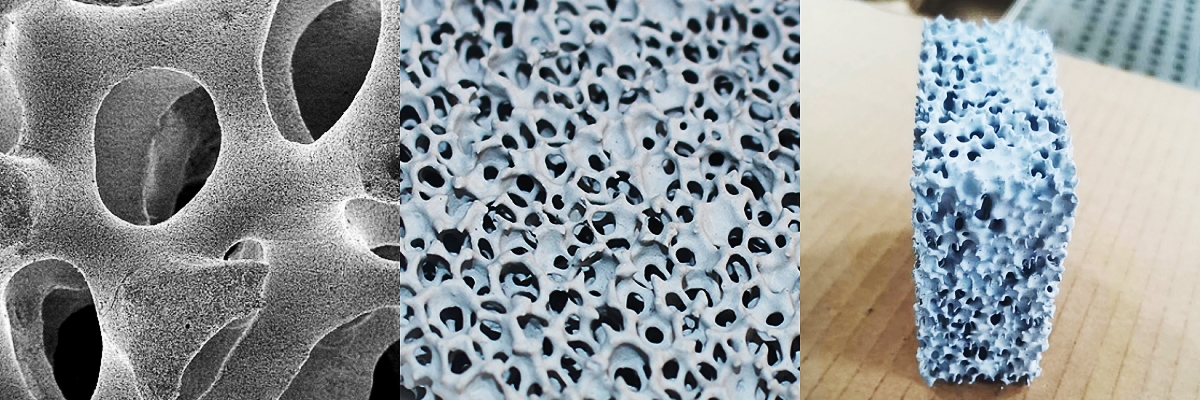
Polyurethane sponge mold → Mix silicon carbide ceramic slurry → Sponge impregnated and hung → Extrude to remove excess slurry → Low-temperature drying → Sintering at around 1500℃ (The sponge undergoes high-temperature gasification and disappears, leaving behind the silicon carbide ceramic framework) → Cut to standard size, inspect and leave for shipment.
The long-term continuous usage temperature can reach 1550℃. It is not prone to cracking or disintegration even under sudden temperature changes. It perfectly suits the high-temperature pouring conditions of molten iron and copper liquid, and is much superior to the alumina filter sheet (with a maximum temperature of 1100℃, only suitable for aluminum alloys).
Silicon carbide has extremely strong chemical inertness and will not be corroded by molten iron or copper liquid. During the filtration process, there will be no peeling off of ceramic debris causing secondary slag inclusion; it is resistant to strong acids and strong alkalis and can resist oxidation. Only hydrofluoric acid will slowly corrode the main body.
Under high temperatures, it has high mechanical strength and can withstand the high-speed impact of molten metal without cracking or blocking the flow, significantly reducing the risk of interruption during pouring.
The turbulent molten metal during pouring is transformed into a stable laminar flow, which not only intercepts large-sized sand particles and slag, but also adsorbs micrometer-sized oxide scales and small inclusions. This reduces casting defects at the source.
● Black casting: Gray cast iron, ductile iron, cast steel parts, used for automotive cylinder blocks, crankshafts, wind turbine hubs, machine tool bases, pipeline valve bodies. It can reduce the rates of gas pores, sand holes, inclusions and defective products by 15% to 25%, while extending the service life of machining tools.
● Colored casting: The molten liquid of brass, bronze, and copper alloy is filtered to enhance the density and conductivity of the copper parts, suitable for the production of valves, conductive accessories, and copper components for ships.
● Continuous casting: The intermediate mold of the steel plant is equipped with a filtration module, which effectively purifies the molten steel and improves the crystallization quality of the steel billets.
● High-temperature flue gas dust removal: By replacing the bag filter bags, it can effectively remove dust in kilns operating at temperatures ranging from 800 to 1200 degrees Celsius, as well as in waste incineration and steel exhaust gases. It can be regenerated through high-temperature blowing and reused.
● Chemical solid-liquid separation: Silicon carbide ceramic membranes are used for the clarification and filtration of high acid and alkali wastewater, oily sewage, and pharmaceutical liquids. Their service life is much longer than that of organic filtration membranes.
● Catalyst carrier: A porous framework loaded with denitration and hydrogenation catalytic coatings, with uniform heat conduction and corrosion resistance against powdering. It is mainly used in environmental denitration equipment and chemical reaction vessels.
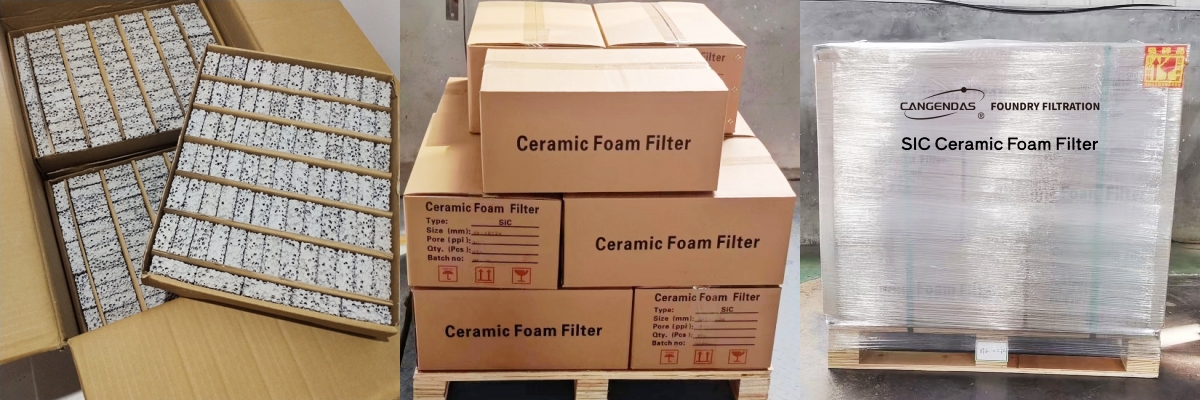
Our India client continuously purchases our products again and again, We sincerely appreciate the trust and recognition from our client.
We also deeply know that why our global clients have established a long-term business relationship with us, because of:
1. Stable Quality: The quality is stable and controllable, and the parameters of each batch of goods are uniform.
2. Fixed supply time: The supply cycle is reliable and there is a stable long-term stock preparation. There will be no problem of stock shortage or delayed delivery.
3. Higher cost performance: The cost-performance ratio is consistently stable. The pricing is transparent without any hidden markups. Long-term cooperation enables us to steadily control the procurement budget.
4. Timely after-sales service: The after-sales response is prompt. Issues regarding logistics, usage, customization adjustments can all be quickly addressed. The cooperation is convenient and effortless.
Three Gaskets Options Alumina CFF Aluminum Foundry
Oct. 19, 2026
Contact Us
+86 158 3011 4065
Guoruiyuan Building, ShengLi North Street, Chang'An District, Shijiazhuang City, Hebei Province, China.
Navigation
Navigation