News
Jul. 21, 2026
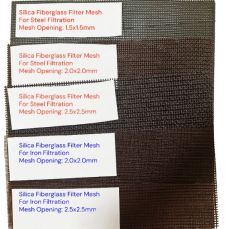
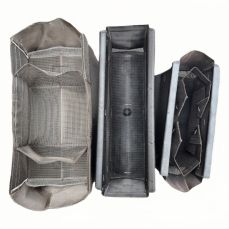
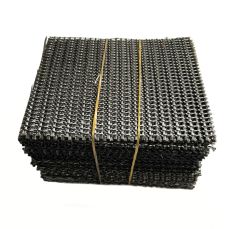
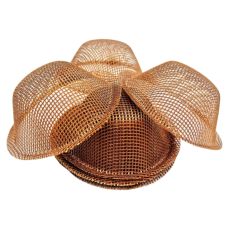
In a world where air and water quality are paramount, the safety of filter media is a crucial concern that cannot be overlooked. As industries increasingly rely on fiberglass filter media for filtration applications, it’s imperative to address the safety of these materials. Specifically, I have observed that many businesses and consumers are unaware of potential dangers associated with fiberglass, often leading to costly health implications and compliance issues. Ignoring the intricacies of fiberglass safety can hinder operational efficiency, endanger employee well-being, and damage a company’s reputation, leaving them vulnerable to regulatory scrutiny and financial penalties.
Delving deeper, the primary causes of concern regarding fiberglass filter media stem from its composition and inherent properties. Fiberglass is made from fine strands of glass, which can become airborne particles when the media is disturbed or damaged. These microscopic fibers, once inhaled, can lead to respiratory issues, skin irritation, and long-term health conditions. Awareness of this phenomenon is critical—businesses must recognize that while fiberglass serves as an effective filtration solution, its safety profile requires conscientious handling and robust safety protocols. Additionally, the manufacturing process, often fraught with regulatory oversights, can sometimes yield fiberglass that does not meet the stringent standards established by bodies like ASTM (American Society for Testing and Materials) or DIN (Deutsches Institut für Normung).
The implications of neglecting safety measures surrounding fiberglass filter media are significant, impacting industries from HVAC to water treatment. For instance, companies in the filtration sector may experience product recalls, increased insurance premiums, and loss of customer trust if safety concerns are not adequately addressed. In my experience, the transition to safer alternatives, like those offered by HEBEI CANGCHEN, can result in better employee safety records and increased brand loyalty. Companies that prioritize safety tend to outperform their competitors in securing contracts and thrive in an increasingly health-conscious marketplace.
To provide concrete evidence, consider a case study involving a water treatment facility that implemented fiberglass filters without adherence to safety protocols. After several complaints of respiratory issues among personnel, an investigation revealed a lack of proper ventilation systems and personal protective equipment (PPE). Consequently, the facility faced fines totaling upwards of $250,000 while also dealing with a tarnished reputation. Conversely, a facility that invested in safer competition, such as alternatives to fiberglass, reported not only enhanced worker safety but also reduced operational costs, demonstrating a compelling argument to adopt safer practices.
Ignoring the safety of fiberglass filter media could have dire repercussions. The risks range from acute health issues for employees to long-term liabilities that could jeopardize entire businesses. With industries pivoting towards sustainability and safety, the stakes are higher than ever. By dismissing these risks, companies only exacerbate their vulnerabilities, leading to potential legal battles and financial losses that could be easily avoided through proactive safety management.
In conclusion, understanding whether fiberglass filter media is safe is not merely an academic inquiry but a pressing business concern. I urge industry stakeholders to critically evaluate their filtration choices and consider the implications of safety. Transitioning to safer materials, like those provided by HEBEI CANGCHEN, can ensure compliance with global standards, foster healthier workplaces, and fortify brand reputation. The time for action is now—do not wait for an incident to prompt necessary changes in your filtration strategies. Prioritize safety, and you’ll pave the way for a sustainable future in your industry. For more insights, explore {brandname} and consider its innovative solutions in filtration safety.
Three Gaskets Options Alumina CFF Aluminum Foundry
Oct. 19, 2026
Contact Us
+86 158 3011 4065
Guoruiyuan Building, ShengLi North Street, Chang'An District, Shijiazhuang City, Hebei Province, China.
Navigation
Navigation