News
Sep. 23, 2026
High Silica Fiberglass Filter Mesh for Molten Steel Filtration
● High silica fiberglass is defined by a silica (SiO2 content ≥96%).
● The raw material is high silica glass fiber yarn, manufactured through acid leaching and high-temperature sintering processes.
● After acid extraction, soluble components such as alkali metal oxides are removed, followed by heat treatment above 800℃ to achieve stable high silica structure.
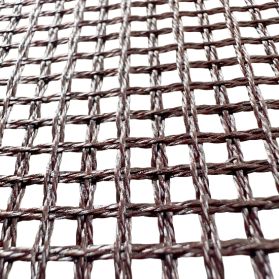
● The filter mesh is woven from continuous high silica fiberglass yarn, then treated with a special inorganic binder and surface coating. It is asbestos-free and contains no hazardous fibers.
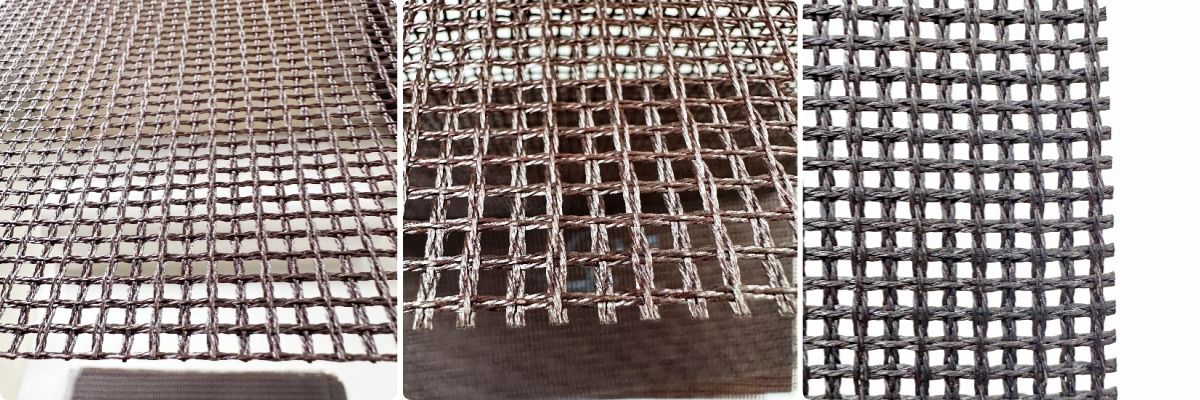
✅SiO2: ≥96%
✅Long-term static safe temperature: up to 1000℃ (for prolonged heat exposure without molten metal contact)
✅Molten steel pouring working temperature: 1550℃ ~ 1620℃
✅Exposure time limit at pouring temperature: 10–15 seconds under 1620℃ steel melt impact
✅Instant peak tolerance: 1700℃ (close to silica softening point)
✅Thermal shock resistance: excellent, can withstand rapid temperature change when contacting molten steel
✅Tensile strength: retains high mechanical strength at high temperature, will not soften or collapse under molten steel impact
✅Thermal conductivity: low, reduces heat loss of molten steel during pouring
✅Chemical stability: resistant to attack by molten steel, weak acid and slag; minimal reaction with steel melt
✅Porosity: controllable woven pore structure, can capture inclusions of different particle sizes
✅Non-wettability: not easily wetted by molten steel, prevents the filter medium from being eroded and dissolved by liquid steel
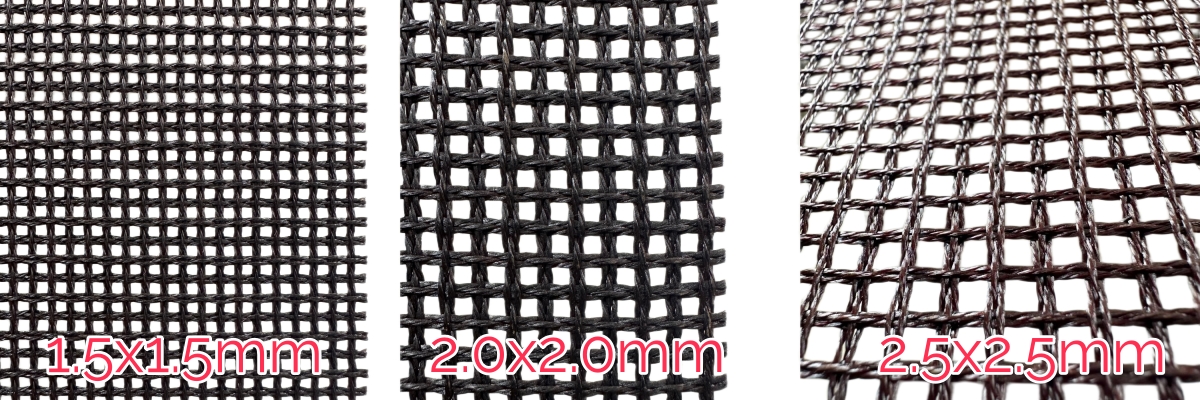
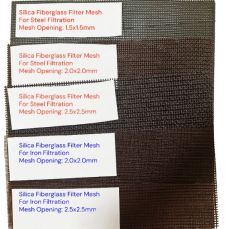
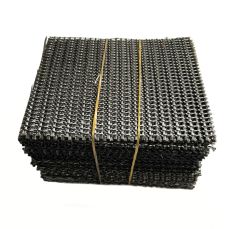
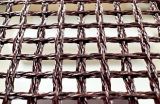
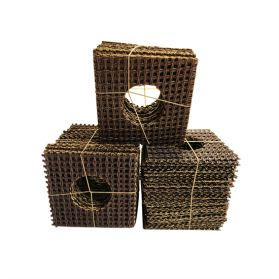
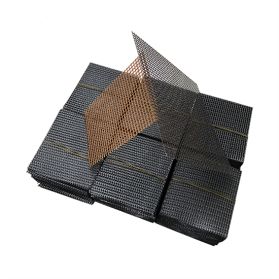
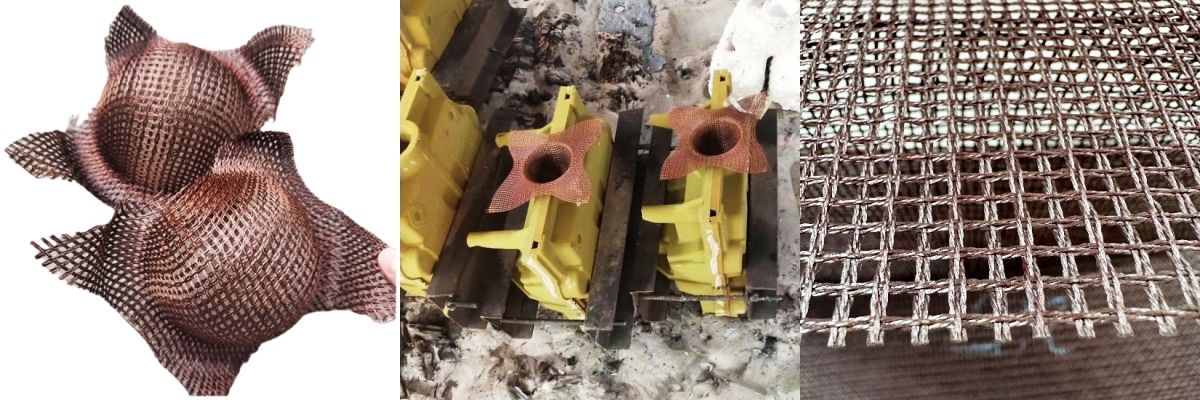
This product is woven filter cloth/mesh, available in plain weave and twill weave. Customizable mesh count, thickness, width and cutting size.
● Standard weave types: plain weave for fine filtration; twill weave for higher strength and larger flow capacity
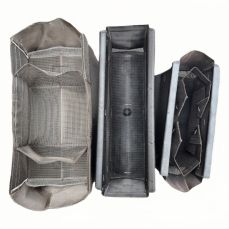
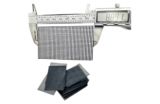
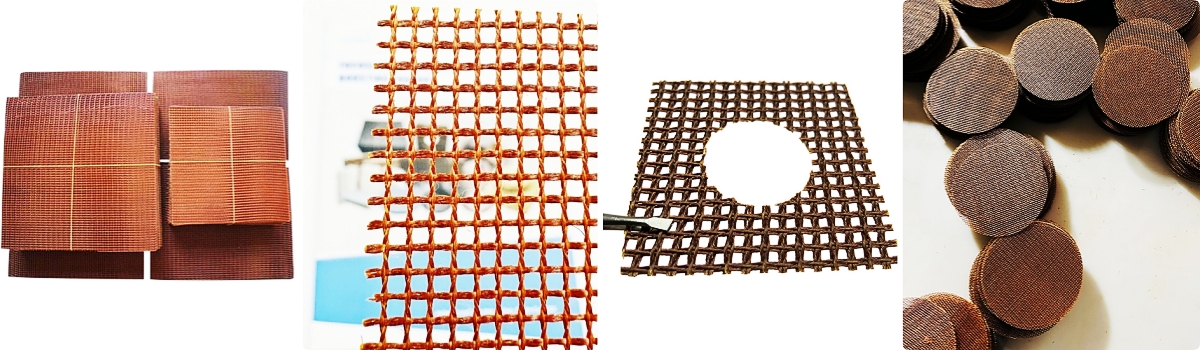
● Can be supplied as flat sheet, pre-cut pieces, or combined with rigid filter frame for automatic pouring lines
● Optional edge sealing / inorganic coating to prevent fiber shedding during molten steel impact
● No organic binder residue; all organic components are fully burned off before molten steel arrives, avoiding gas generation and porosity defects in steel castings
During steel casting, molten steel flows through the high silica fiberglass mesh.
● Mechanical interception: large non-metallic inclusions (slag, oxide clusters) are trapped by the fiber mesh structure.
● Adsorption capture: small oxide particles adhere to the fiber surface via physical adsorption.
● Flow rectification: the mesh stabilizes turbulent molten steel flow, suppresses re-oxidation of liquid steel and avoids new inclusion formation.
● Slag blocking: prevents furnace slag and refractory debris from entering the casting cavity.
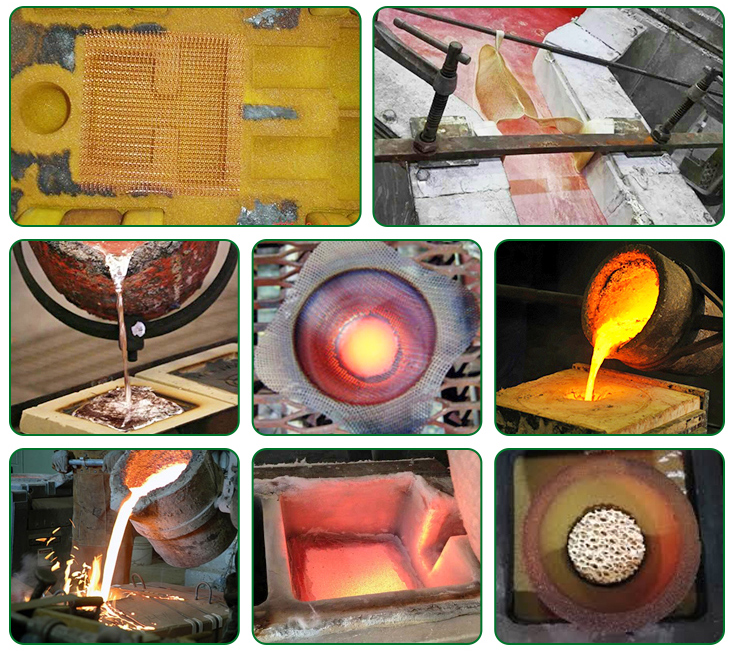
Mainly used for filtration of carbon steel, alloy steel, stainless steel molten steel in investment casting, sand casting, lost foam casting and other casting processes.
● Typical products: automotive steel parts, machinery castings, valve steel components, hydraulic steel parts, tool steel castings.
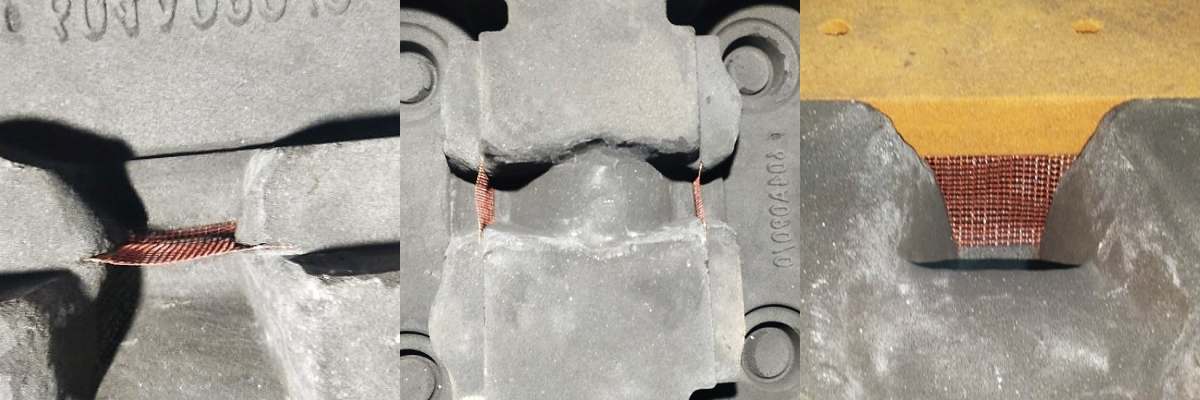
● Install positions: sprue, runner, gating system of steel moulds.
● Ultra-high temperature resistance, suitable for molten steel (1500–1600℃ pouring environment, short-time contact application)
● Low gas evolution, no carbon pickup, will not cause pinhole, blowhole or carbon contamination in steel castings
● Good flexibility and impact resistance, not easy to break when molten steel rushes in
● Stable filtration performance, effectively reduces non-metallic inclusions, improves steel casting surface quality and mechanical properties
● Asbestos-free, environmentally friendly, meets global casting material safety standards
● Convenient cutting and layout, easy to install in gating system
● It is a disposable filter consumable for casting. Cannot be reused after contact with molten steel.
● Storage: keep dry, avoid long-term moisture exposure, moisture will lead to gas generation during pouring.
● Installation: fix firmly to prevent floating or shifting caused by molten steel scouring.
● Designed for short transient contact with high-temperature molten steel at 1550~1620℃. Even though it can withstand instantaneous temperature up to 1700℃, prolonged residence of molten steel on the filter surface will lead to softening, deformation and mesh failure. Do not allow steel melt to stagnate on the filter for an extended period.
Our high silica fiberglass molten steel filter mesh has achieved high repurchase rates from global foundry customers.
With stable high-temperature resistance, excellent slag-blocking performance, extremely low gas evolution and zero fiber shedding during steel pouring, our filters ensure consistent casting quality and minimize casting defects.
Many long-term cooperative foundries and casting manufacturers have established stable repeat purchase partnerships.
Compared with ordinary fiberglass filters, our high-silica filter mesh delivers more reliable high-temperature stability under 1550℃–1620℃ molten steel working conditions, effectively reducing inclusions, pinholes and surface flaws.
Consistent product quality, stable batch performance and professional after-sales support make our filters the preferred and repurchased filtering solution for steel casting.
We have earned consistent recognition and repeat orders from numerous foundry partners.
We sincerely look forward to being chosen by more global customers and providing reliable molten steel filtration solutions for your casting production.
Brazil Customer Reorder
Alkali Free Fiberglass Filter Mesh for Molten Aluminum
Sep. 21, 2026
Contact Us
+86 158 3011 4065
Guoruiyuan Building, ShengLi North Street, Chang'An District, Shijiazhuang City, Hebei Province, China.
Navigation
Navigation