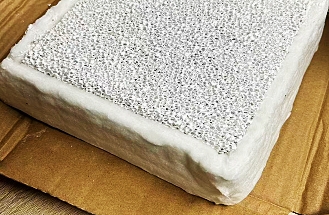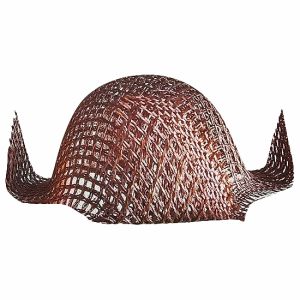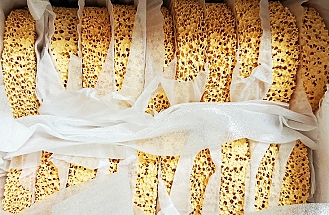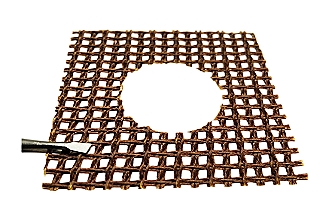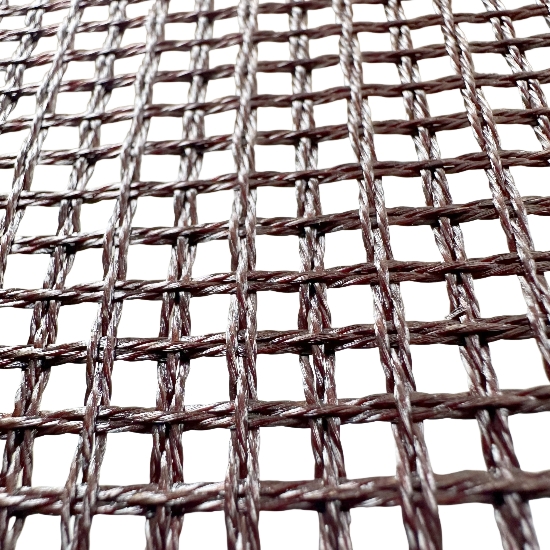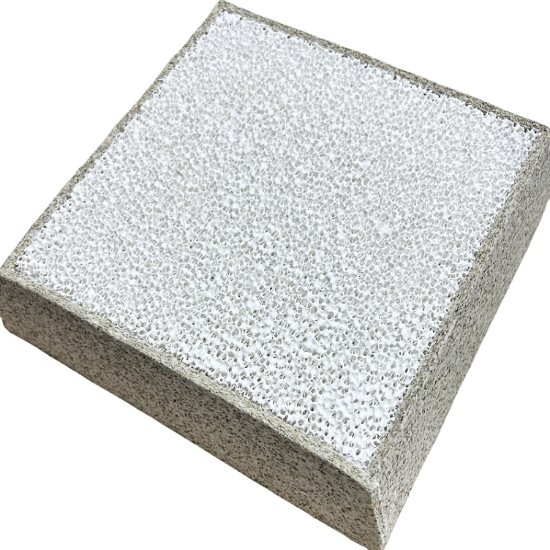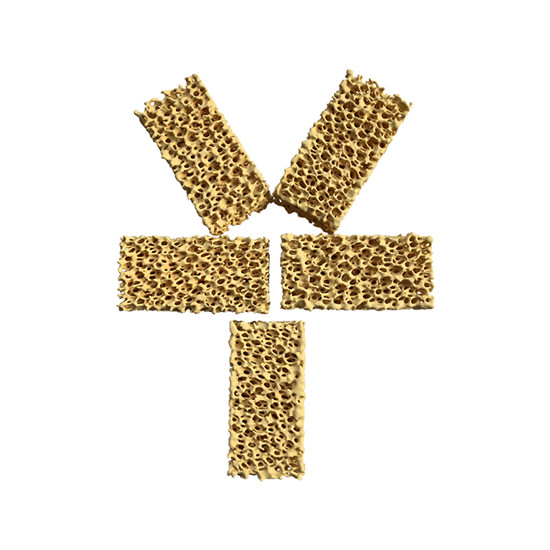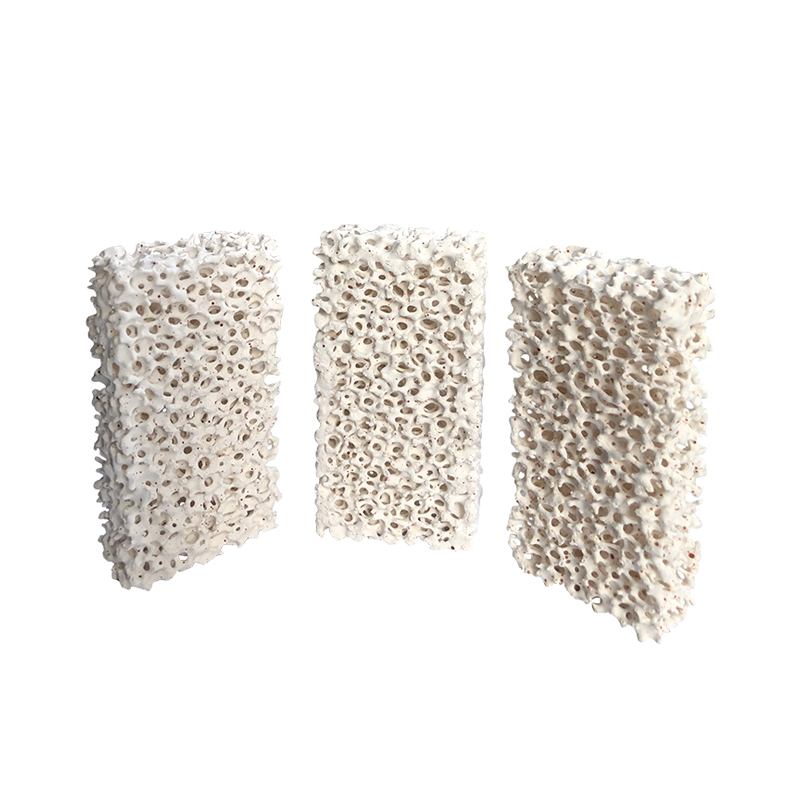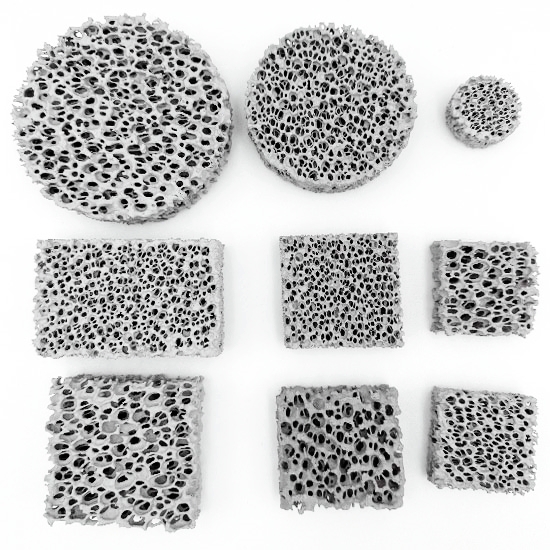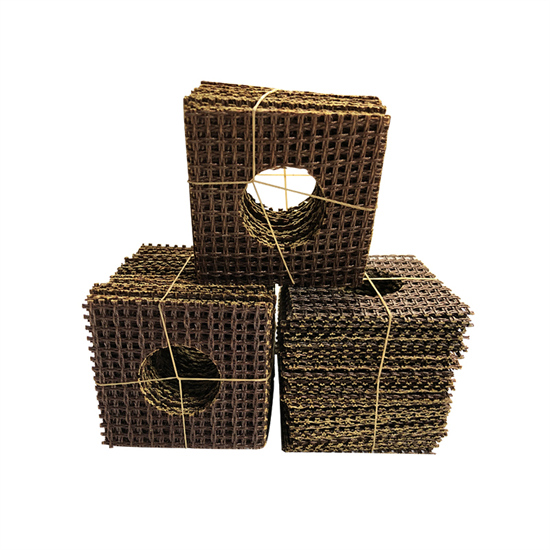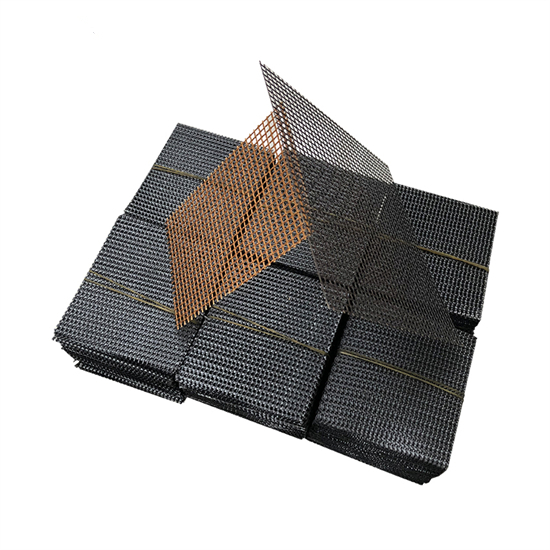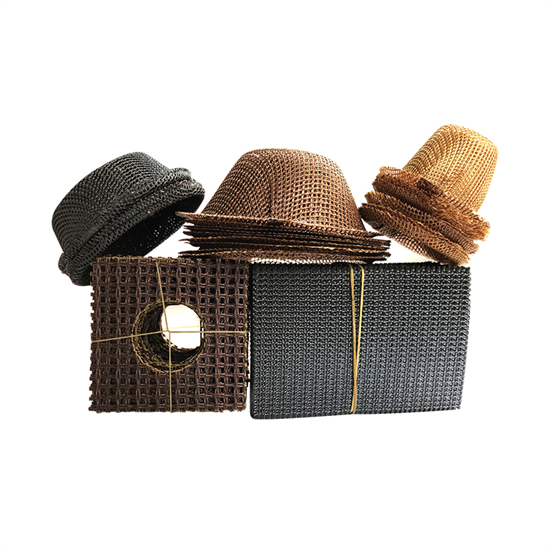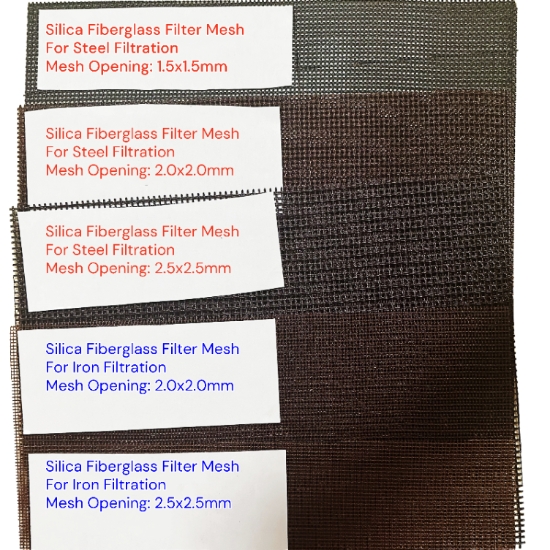
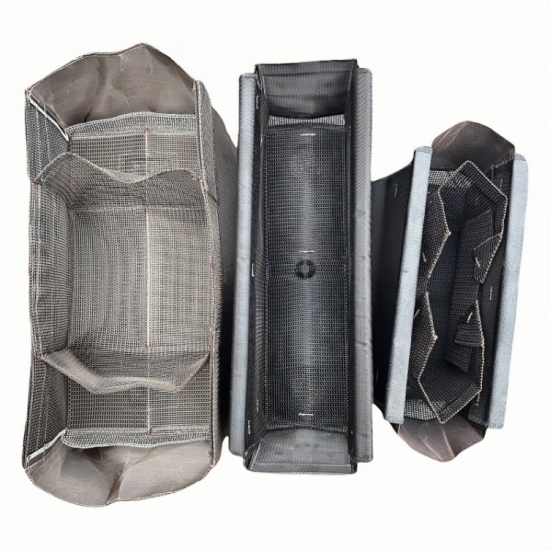
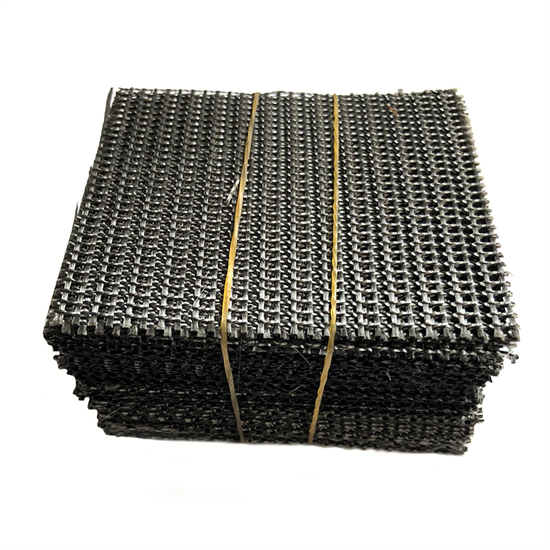
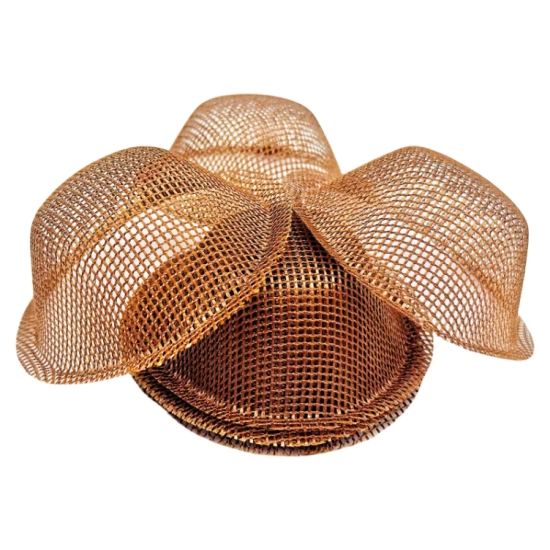
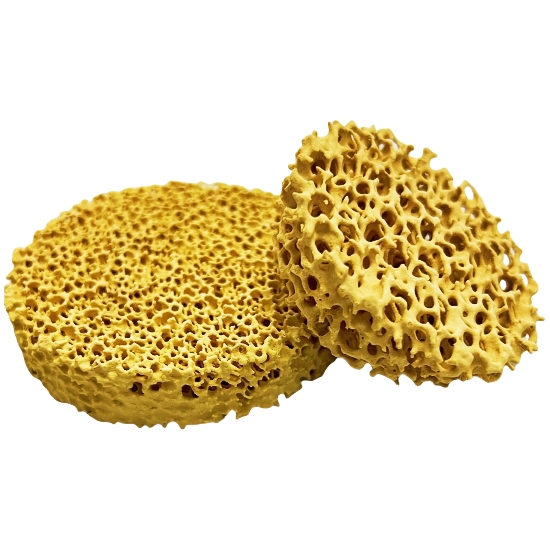
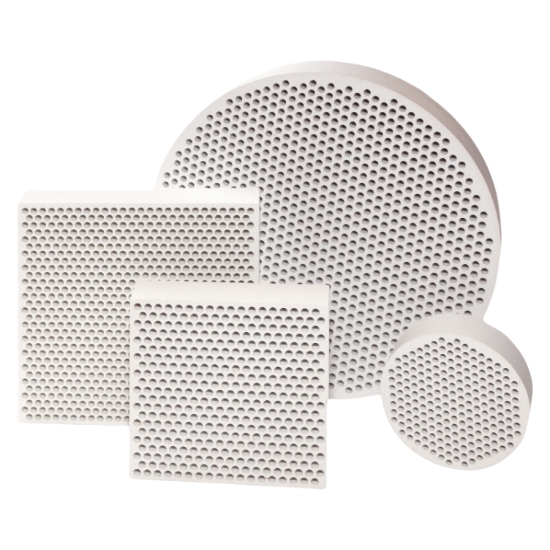
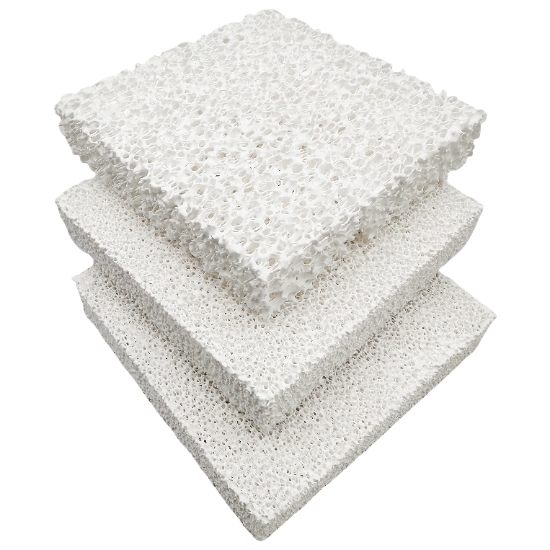
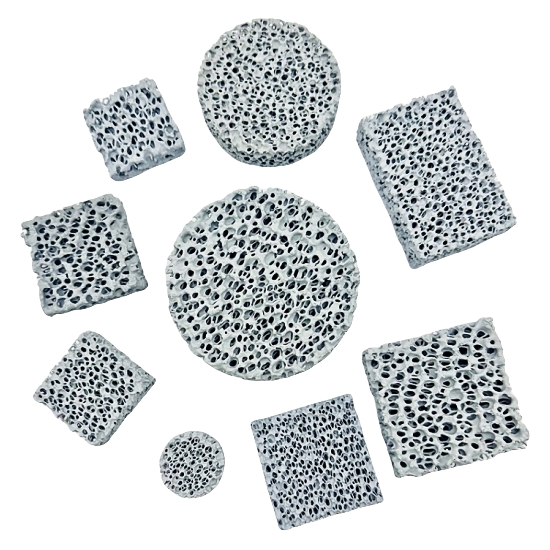

Fiberglass Filtration Mesh for paint booth applications is used to capture airborne paint overspray before it reaches the exhaust fan, ductwork, or outdoor discharge point. This guide is for coating shops, automotive refinishing facilities, furniture manufacturers, and industrial paint lines that need reliable fiberglass paint arrestor filter media and predictable paint booth exhaust filtration. It explains how paint booth fiberglass filter media works, how to select the correct roll or panel, and how to control pressure drop, overspray capture, and VOC-related operating risks.

Why Fiberglass Filtration Mesh for Paint Booths Matters
In a spray booth, the visible problem often appears as paint dust on the exhaust grille, fan blades, or roof outlet. The underlying issue is usually a mismatch between the coating process and the filter media. A mesh that is too open allows wet droplets to pass through; a mesh that is too dense can raise fan energy consumption and reduce booth airflow.
Fiberglass filtration mesh solves this problem by creating a progressively denser interception path for overspray. As coating particles travel through the glass-fiber structure, they are captured by direct interception, inertial impaction, and, for smaller particles, diffusion. The result is reduced paint accumulation in downstream equipment and a cleaner exhaust path when the filter is correctly sized and replaced at the appropriate pressure-drop limit.
The media is not intended to make a paint booth safe by itself. It does not replace local exhaust ventilation, explosion protection, solvent control, grounding, or personal protective equipment. Instead, it is one component in the booth’s air-handling system. Its job is to remove paint solids and droplets from the moving air stream before those contaminants reach the exhaust system.
Fiberglass Paint Booth Filter Media: Basic Terminology
Fiberglass Filtration Mesh Structure
Fiberglass filter mesh is made from fine glass fibers bonded or layered into a porous web. Unlike a simple screen, it does not separate particles according to one uniform hole size. Its filtration behavior depends on fiber diameter, loft, thickness, packing density, binder, airflow velocity, and the amount of paint already loaded into the media.
Common terms used by filter suppliers include:
- Arrestance: the percentage of test dust or overspray mass retained by the filter under a defined test method. A quoted value is meaningful only when the test dust and standard are identified.
- Initial pressure drop: the resistance of a clean filter at a specified airflow, commonly reported in pascals or inches of water gauge.
- Final pressure drop: the pressure loss at which the filter should be replaced. It is determined by booth design, fan capacity, and process requirements.
- Face velocity: the average air speed passing through the filter face. Higher velocity usually increases pressure drop and may reduce capture performance.
- Dust-holding capacity: the contaminant mass a filter can retain before reaching its replacement condition.
- Loft: the expanded thickness and openness of the fiberglass structure. Higher loft can provide more depth-loading volume, but it must be compatible with the filter frame.
How Fiberglass Paint Arrestor Filters Capture Overspray
Large wet droplets are primarily captured when their momentum carries them into the fibers. Smaller particles follow the air stream more closely and are captured when they pass sufficiently near a fiber. Paint solids may also adhere to previously deposited coating, which is why an overspray filter can continue to collect material until the accumulated layer restricts airflow.
For a simplified booth calculation, airflow is expressed as:
Q = A × V
Here, Q is airflow, A is the effective filter area, and V is face velocity. If a booth moves 12,000 m³/h through a filter bank with 6 m² of effective area, the average face velocity is approximately 2,000 m/h, or 0.56 m/s. Increasing the filter area to 8 m² reduces the average face velocity to about 0.42 m/s, which can lower resistance and extend service life when the fan and frame arrangement allow it.
Actual performance must be confirmed using the manufacturer’s test data. Paint overspray is not the same as standardized laboratory dust, and booth airflow is affected by gun type, coating viscosity, spray distance, temperature, humidity, and operator technique.
Choosing Fiberglass Filtration Mesh for a Paint Booth
Match Fiberglass Filter Media to the Booth Location
First determine where the mesh will be installed. Exhaust-side fiberglass mesh is commonly used as a paint arrestor to capture coating solids after spraying. Intake-side media is selected to protect the booth from ambient dust and is normally not the same grade as exhaust overspray media.
An exhaust filter must tolerate the coating load produced by the process. Waterborne coatings, solventborne paints, powder coatings, high-solids finishes, and two-component polyurethane systems create different loading behavior. A filter that performs acceptably in a low-volume waterborne line may blind rapidly in a high-solids industrial coating operation.
Check Filter Dimensions and Installation Method
Measure the existing frame rather than relying only on the nominal filter size. Record:
- Clear opening width and height.
- Available media thickness.
- Airflow direction.
- Retainer, grille, or clip configuration.
- Roll length or panel quantity required for one replacement cycle.
- Space available for safe removal and disposal.
A gap around the filter can create bypass airflow. Even a small unsealed perimeter may allow concentrated overspray to travel around the media and accumulate on the fan or duct. Use the correct retaining system, ensure the filter sits flat, and inspect the frame for bent sections or damaged seals.
Compare Pressure Drop, Not Just Filtration Efficiency
A filter with a lower initial pressure drop can reduce the load on the exhaust fan, but a filter with greater depth and holding capacity may provide a lower average pressure drop over the full service interval. The relevant comparison is the pressure-drop curve at the booth’s actual airflow, not a single efficiency percentage.
For example, if a clean filter begins at 80 Pa and reaches 250 Pa after three weeks, while another begins at 110 Pa but reaches only 210 Pa after five weeks, the second option may provide a lower operating average and fewer maintenance interruptions. This conclusion should be verified with recorded airflow, manometer readings, coating volume, and replacement history.
Consider Fiber Diameter, Binder, and Fire Behavior
Fiber diameter and packing density influence both capture and resistance. Finer fibers can increase interception area, while excessive density can restrict airflow. Binder chemistry affects structural stability, flexibility, and resistance to handling. Always request the product technical data sheet and safety documentation from the supplier.
Paint overspray can contain combustible solids, and solvent vapors may be present in the booth atmosphere. Fiberglass media must not be treated as an automatic fireproofing solution. The booth, filter arrangement, electrical equipment, grounding, ventilation rate, and extinguishing system must comply with the regulations applicable to the facility and coating process.
How to Install Fiberglass Filtration Mesh for Paint Booth Exhaust
Step 1: Document the Existing Booth Conditions
Before removing the old filter, record the fan operating condition, filter pressure drop, booth airflow, coating type, daily spray hours, and date of the last replacement. A differential pressure gauge or calibrated manometer is more useful than visual inspection alone.
Photograph the filter orientation and retaining clips. Mark the airflow direction on the new roll or panel if the media has a designated downstream side.
Step 2: Isolate the Paint Booth
Stop spraying, allow the booth to complete its ventilation cycle, and follow the facility’s lockout and isolation procedure. Remove ignition sources where required. Workers should use suitable gloves, eye protection, protective clothing, and respiratory protection selected through the site’s hazard assessment.
Do not shake or compress a loaded filter unnecessarily. Mechanical disturbance can release settled coating dust and expose workers to dried paint particles or residual chemicals.
Step 3: Inspect the Filter Housing
Clean loose deposits from the frame and inspect the fan-side grille, retaining clips, seals, and surrounding panels. If the grille is blocked with paint, installing new media alone will not restore airflow. Bent frames should be repaired because a distorted support can create bypass gaps.
Step 4: Cut and Position the Fiberglass Mesh
For roll media, cut a section that fully covers the frame with the overlap specified by the equipment design. Avoid stretching the material so tightly that its loft collapses. Avoid loose folds that create uneven face velocity.
Install the media in the correct airflow direction. If the product is graded from coarse to fine through its thickness, the more open side generally faces the incoming contaminated air and the denser side faces the clean-air side. Follow the supplier’s instructions when the construction is different.
Step 5: Secure the Filter Without Creating Bypass
Engage every retainer, clip, or holding bar. Check the perimeter by shining a work light from the opposite side; visible light around the edge can indicate a sealing problem. Do not use unapproved tape or combustible materials in locations where they may interfere with fire protection or maintenance access.
Step 6: Verify Airflow After Replacement
Restart the booth according to the operating procedure and allow the fan to stabilize. Measure the clean-filter pressure drop and compare it with the supplier’s data. Check spray capture using the facility’s approved airflow verification method. If the booth has airflow alarms or interlocks, confirm that they reset correctly.
Record the baseline reading. A later rise in pressure drop is more useful when it can be compared against the clean condition at the same fan setting.
Fiberglass Paint Arrestor Filter Maintenance and Replacement
Use Pressure Drop as the Primary Replacement Signal
Color, surface appearance, and visible paint buildup can be misleading. A filter may look usable while airflow is already below the process requirement, or it may appear dirty while still operating within the approved pressure range.
Set the replacement point using the booth manufacturer’s instructions, fan curve, and process airflow requirement. A common industrial practice is to establish a site-specific final pressure-drop limit rather than applying one universal number. For example, a facility may define replacement at 200 Pa, 250 Pa, or another value after confirming that spray capture and booth velocity remain acceptable.
Create a Filter Service Log
For every replacement, record the following data:
- Filter type, thickness, dimensions, and supplier.
- Installation and removal dates.
- Clean and final pressure-drop readings.
- Coating type and approximate quantity sprayed.
- Hours of booth operation.
- Observed bypass, damage, or uneven loading.
- Disposal classification and waste-handling method.
After three to five replacement cycles, the facility can calculate approximate media life. If one roll lasts 18 operating days at 7 hours per day, its measured service life is about 126 operating hours under that specific coating load. This is more useful than a generic claim such as “long-lasting.”
Recognize Uneven Loading
A dark strip or heavily saturated area usually indicates uneven airflow, a localized spray pattern, an obstructed grille, or insufficient filter area. Replacing the media without correcting the cause may produce the same failure within days.
Check spray gun distance, booth wall deposits, fan rotation, damper position, and the condition of the filter support. When only one section loads rapidly, measure velocity at several points across the filter face rather than assuming the entire booth is operating uniformly.
Common Fiberglass Filtration Mesh Problems and Practical Fixes
Paint Appears Downstream of the Filter
Possible causes include media bypass, incorrect orientation, excessive face velocity, an undersized filter bank, or a filter grade that cannot retain the coating droplet distribution. Seal the frame first, then verify airflow and media specifications. If the filter is saturated, replace it rather than cleaning and reinstalling it unless the product is specifically designed for reuse.
Pressure Drop Increases Too Quickly
Rapid loading can result from high-solids paint, excessive spray transfer loss, poor gun adjustment, inadequate filter area, or a booth operated above its design airflow. Increasing filter thickness without checking the fan curve may make the problem worse. A larger filter face area often provides a more reliable improvement because it reduces face velocity.
Booth Airflow Falls After Installation
Confirm that the new media is not folded, compressed, or installed in the wrong direction. Compare the clean pressure drop with the previous filter. If the difference is large, the replacement may have a higher resistance rating, a different thickness, or a smaller effective open area than the original.
Filter Life Is Short Despite Low Spray Volume
Low production volume does not always mean low filter loading. Overspray from poor transfer efficiency, excessive atomizing air, or a spray gun held too far from the workpiece can create a high airborne coating fraction. Review gun settings, operator technique, booth velocity, and the location of the workpiece relative to the exhaust path.
Advanced Fiberglass Paint Booth Filter Selection
Use a Total Cost per Operating Hour Calculation
Purchase price alone can favor an unsuitable media. A more complete calculation is:
Total operating cost per hour = filter cost + disposal cost + labor cost + additional fan energy cost
Suppose one filter change costs $180 in media, $35 in disposal, and $45 in labor. If it operates for 120 hours, the direct service cost is $2.17 per operating hour before energy costs. A different filter costing $240 but lasting 180 hours may reduce the direct service cost to $1.78 per operating hour, provided that its pressure drop does not require substantially more fan power.
Optimize Filter Area Before Increasing Filter Density
When the booth has enough physical space, increasing the effective filter area can reduce face velocity. For a constant airflow, doubling the area approximately halves the average face velocity. Actual pressure-drop reduction depends on the media construction and airflow distribution, but the principle is important when the existing filter is repeatedly reaching its replacement limit.
Separate Overspray Control from VOC Control
Fiberglass mesh primarily captures paint droplets and particulate overspray. It does not normally remove solvent vapor or all volatile organic compounds from the exhaust stream. VOC management may require process substitution, increased ventilation, carbon adsorption, thermal oxidation, or another engineered control selected through emissions analysis and applicable regulations.
This distinction prevents a common purchasing error: selecting a high-efficiency fiberglass mesh while expecting it to control gaseous contaminants. Particle filtration and vapor treatment are different control technologies.
Buying Fiberglass Filtration Mesh from HEBEI CANGCHEN
HEBEI CANGCHEN can be contacted for fiberglass filtration mesh, paint arrestor media, and related foundry and industrial filtration requirements. Before requesting a quotation, prepare the booth information in a technical format:
- Booth type and exhaust arrangement.
- Required width, length, and thickness.
- Airflow volume and current face velocity, if available.
- Coating chemistry, solids content, and approximate spray volume.
- Current clean and loaded pressure-drop readings.
- Existing filter photographs and frame dimensions.
- Expected roll quantity, packaging, and delivery schedule.
Ask for the technical data sheet, safety documentation, recommended airflow range, pressure-drop data, temperature limitations, fiber construction, binder information, and disposal guidance. If the booth handles flammable coatings, request confirmation that the proposed media and installation method are suitable for review by the facility’s safety and engineering personnel.
Fiberglass Filtration Mesh for Paint Booth: Final Recommendations
The correct fiberglass filtration mesh for paint booth use is selected by matching media construction to coating load, filter area to airflow, and replacement timing to measured pressure drop. Start with accurate dimensions, seal the frame against bypass, record clean-filter performance, and evaluate service life using operating-hour data rather than appearance alone. Keep in mind that a fiberglass paint arrestor filter captures particulate overspray, while paint booth exhaust filtration and VOC control may require separate engineering measures.
For a practical specification, compare paint booth fiberglass filter media by pressure-drop curve, arrestance test conditions, holding capacity, thickness, and compatibility with the coating process. Track overspray capture, spray booth filter replacement intervals, and airflow resistance over several cycles. HEBEI CANGCHEN can help review the operating data and recommend a suitable fiberglass filtration mesh configuration for your paint booth.