News
Jun. 18, 2026
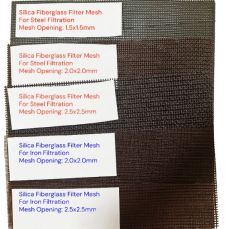
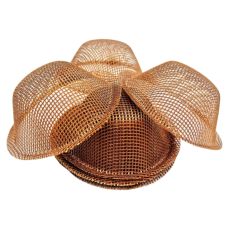
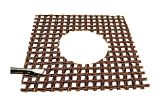
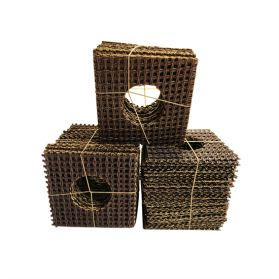
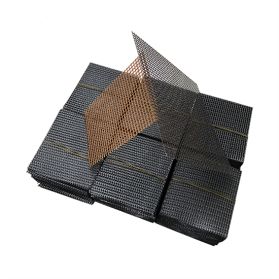
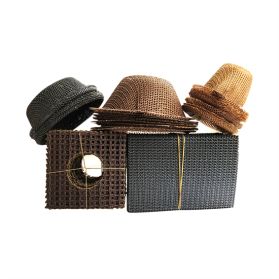
For Aluminum liquid filtration, nowdays, Fiberglass Filter Mesh and Stainless Steel Filter Mesh are always chosed by foundry factories.
| Items | Fiberglass Filter Mesh(For Aluminum only) | Stainless Steel Filter Mesh |
| High temperature resistance | 700~820℃ | 780~850℃ |
| Cycle use | One-time use, not reusable. | Can be recycled dozens of times |
| Filter capacity | Surface + deep adsorption, removing fine oxide scale, reducing gas pores inclusions | Only coarse filtration of large particles, while fine oxide particles penetrate. |
| Aluminum liquid contamination | No contamination, Chemically inert, free of metallic impurities, the top choice for high-end aluminum parts. | Infiltration of iron, which reduces the purity of the aluminum material. Precision parts are prohibited from using this method. |
| Aluminum waste treatment | Recoverable and reusable. | Can not be Recoverable and reusable. |
| Long-term comprehensive cost | Overall cost is lower. | Due to the increase in waste, the cost has risen. |
| Applicable scene | Die casting, hub, aviation components, anodized aluminum, precision sand casting. | Reclaimed aluminum coarse filtration, long-lasting filtration of aluminum furnace chute, ordinary aluminum ingots without purity requirements. |
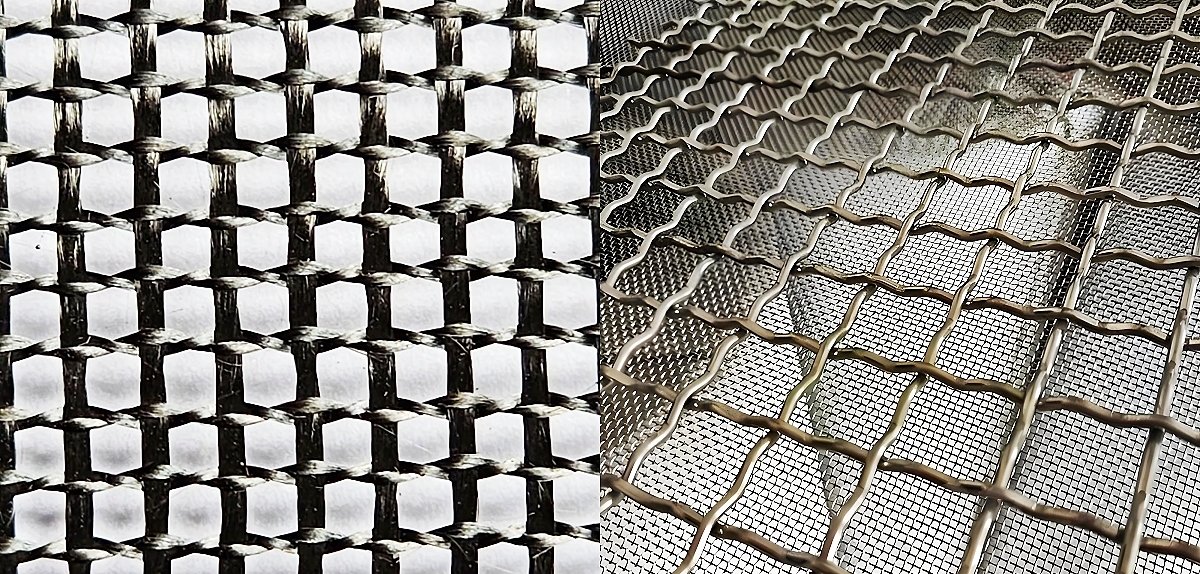
✅Chemically inert and free from metal contamination: mainly composed of SiO₂, it does not react with aluminum liquid or alumina, and will not introduce iron, chromium, or nickel impurities. It is suitable for precision die-casting, automotive wheel hubs, aerospace aluminum parts, and anodized aluminum materials.
✅After use, the glass fibers do not melt into the molten aluminum. During the recycling process, the glass fibers float on the surface of the liquid and can be separated by siphoning off the sludge, thus avoiding any contamination of the recycled aluminum ingots.
✅It has a slight adsorption effect on oxides and inclusions in aluminum, providing dual filtration through surface interception and shallow adsorption.
✅Iron, nickel and chromium will leach into the molten aluminum, causing contamination: Aluminum is a reactive metal. At high temperatures, aluminum will displace the iron elements in stainless steel, forming FeAl intermetallic compounds, which can lead to hard spots in the castings, tool breakage during processing, and a decline in mechanical properties. Such high-end precision aluminum parts are prohibited.
✅After the secondary aluminum and recycled aluminum undergo long-term filtration, iron impurities accumulate severely, significantly reducing the grade of the aluminum material recovered.
✅The aluminum slag and oxide scale are prone to adhere to the steel wire. Even after cleaning, there are still trace amounts of metal remaining, which can contaminate the furnace during the recycling process.
✅Working range: 700 - 820℃, Softening point: 900℃. Beyond 850℃, the fibers will rapidly soften, collapse and break.
✅General heat shock: Rapid and large-volume casting is prone to damaging the mesh surface; it is suitable for uniform and medium-small flow rates of casting.
✅Continuous tolerance: 304 up to 780℃, 316L up to 850℃; peak values for short periods can reach 900 - 1000℃
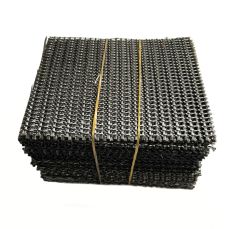
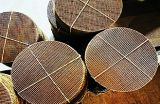
✅Thermal stability: High thermal conductivity, no cracking or deformation even under sudden temperature changes; thick stainless steel wire mesh can withstand the filtration process in long-term aluminum liquid insulation furnaces.
✅Weakness: If used continuously at temperatures above 850℃, it will accelerate the aluminum-iron substitution process and lead to increased pollution.
✅Lightweight and soft, the scissors can be used to freely cut the gate, cross vent, and filter cap.
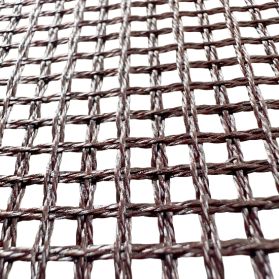
✅Thin multi-layer weaving. At the same thread count, the through-hole rate is higher, and the flow resistance of the molten aluminum is smaller, making it less prone to cold segregation.
✅Lightweight design, making manual placement easier and eliminating the risk of metal collisions and damage to the mold.
✅The tensile strength, tear resistance and wear resistance are extremely high. The large-flow and high-drop-off (pouring channel) is not prone to being punctured.
✅Reusability: After removing debris, alkaline washing or acid washing, it can filter again. Each sheet can be recycled for over ten uses.
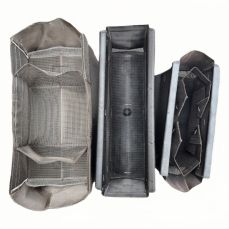
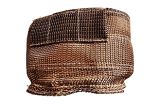
✅It can be made into cylindrical, conical or multi-layer composite structures, suitable for continuous filtration in-line and long-term filtration in the chute.
✅Filtering method: Surface interception + Deep adsorption by the fiber layer;
✅Advantage: It can capture fine oxide scales and suspended aluminum residues, significantly reducing casting defects such as pores and inclusions;
✅Weaknesses: The mesh surface has a small amount of residue, and excessive residue will quickly cause blockage, resulting in insufficient pouring and cold segregation. Therefore, a coarse filter should be placed in front.
✅Filtering method: Pure surface sieving, only intercepting solid residue blocks larger than the mesh size;
✅Weaknesses: Fine alumina suspended particles and micrometer-sized slag particles can pass through the mesh, resulting in poor purification capacity;
✅Advantage: The coarse filtration effect is stable and suitable for the first coarse filtration step in the furnace. It can intercept large pieces of slag and refractory material fragments.
✅Automobile wheel hubs, cylinder blocks and cylinder heads, aerospace precision aluminum, anodized aluminum alloy;
✅Gravity casting, low-pressure die casting, and precision sand casting for small parts, with strict control over inclusions and porosity defects.
✅No iron impurities are allowed. The finished product should have a high degree of smoothness and stable mechanical properties.
✅Small batch production with multiple specifications, without the need for filter cleaning process.
✅Ordinary recycled aluminum ingots and coarse filtration of building aluminum profiles, with no requirement for extremely low iron content;
✅Aluminum smelting furnace, continuous and long-lasting filtration of the online chute, with large flow and high flushing conditions;
✅Pursuing low-end aluminum product production lines that require minimal material replacements and have cleaning and recycling processes.
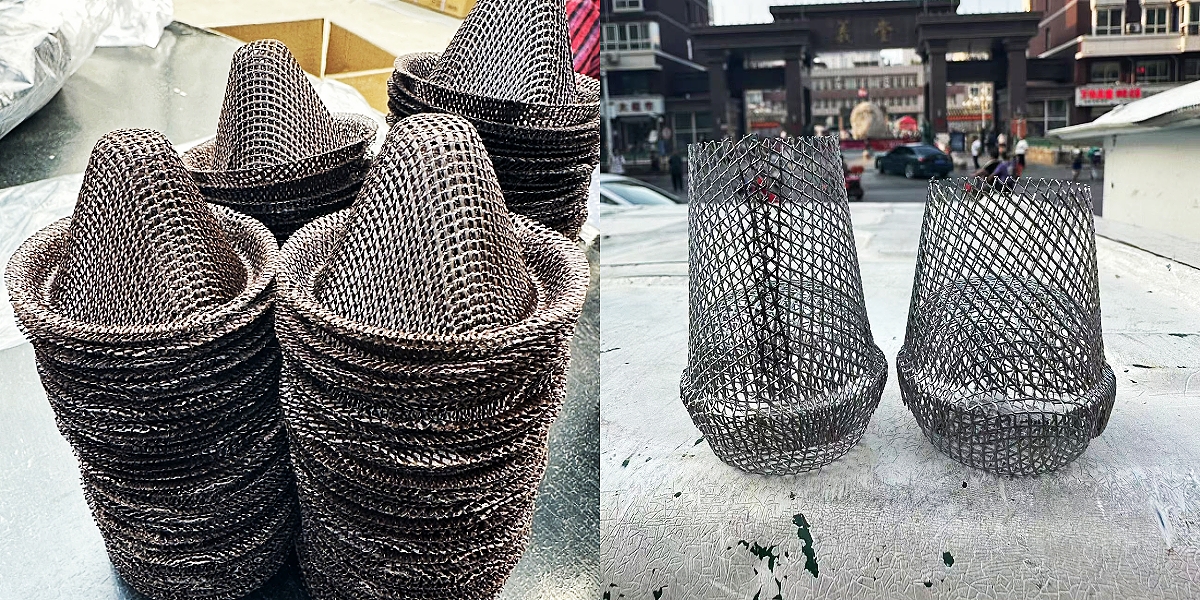
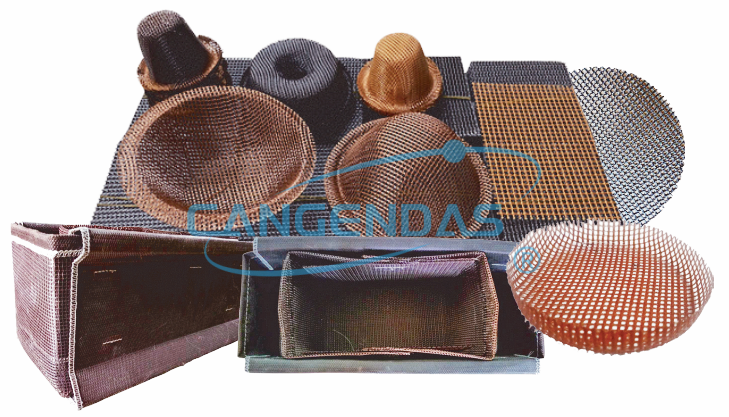
1. Our company boasts outstanding full customization capabilities.
2. We are able to provide 100% tailor-made products strictly in accordance with your unique requirements, covering dimensions, materials, structures, logos, packaging and other personalized details.
3. No matter your special specifications or customized demands, our technical team can develop exclusive solutions for you.
We sincerely welcome you to send us your inquiries for long-term win-win cooperation.
Zirconia Ceramic Foam Filter (CFF)
Sep. 17, 2026
Industrial Fiberglass Filter Media: Uses And Benefits
Sep. 17, 2026
Customized TF Combo Bag for DC Aluminum Filtration Use
Sep. 16, 2026
Contact Us
+86 158 3011 4065
Guoruiyuan Building, ShengLi North Street, Chang'An District, Shijiazhuang City, Hebei Province, China.
Navigation
Navigation