News
Nov. 20, 2026
Aluminum castings often suffer from inclusions and slag defects, one of the main causes of high foundry scrap rates. These non-metallic contaminants may appear as dark spots, rough patches or embedded impurities on or inside the casting.
The main sources of slag and inclusions in molten aluminum cover several common areas
1. Oxide films form easily when aluminum melt contacts air during melting, transferring, pouring, or launder flow.
2. Refining slag, furnace lining debris, and residue from flux treatment can also mix into the liquid metal.
3. Loose sand, refractory particles, and contamination from the gating system may fall into the melt before solidification.
Once these impurities enter the casting cavity, they cannot merge back into the aluminum matrix. They break the continuity of the metal structure, leading to leaks, poor machining performance, and failed pressure or tensile tests.
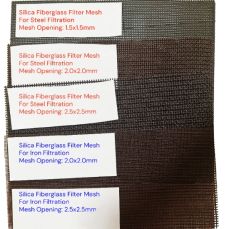
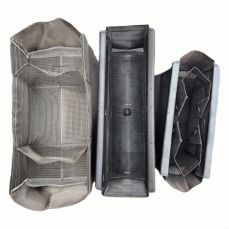
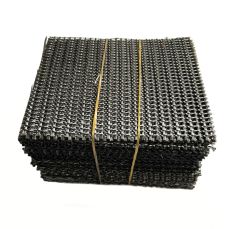
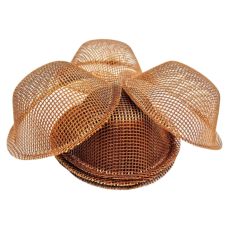
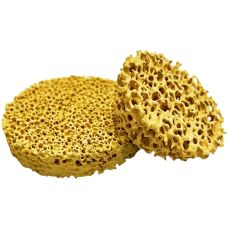
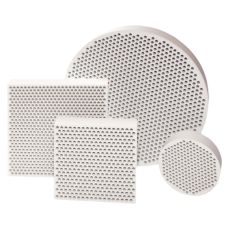
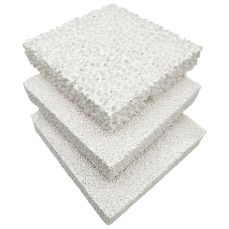
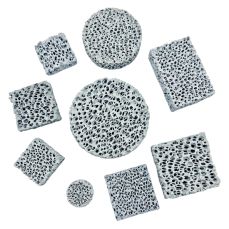
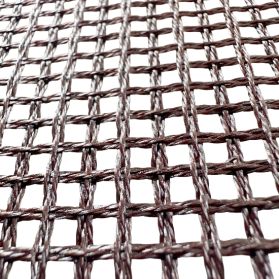
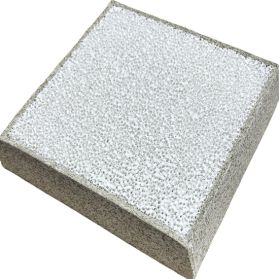
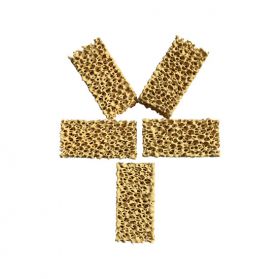
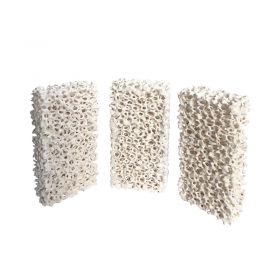
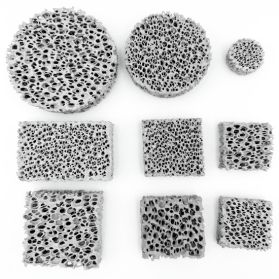
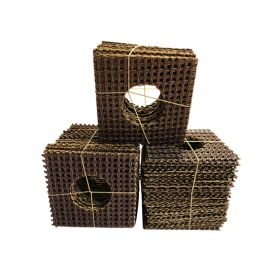
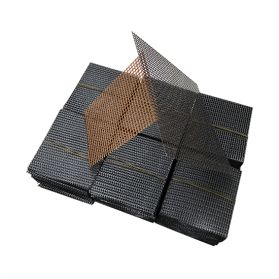
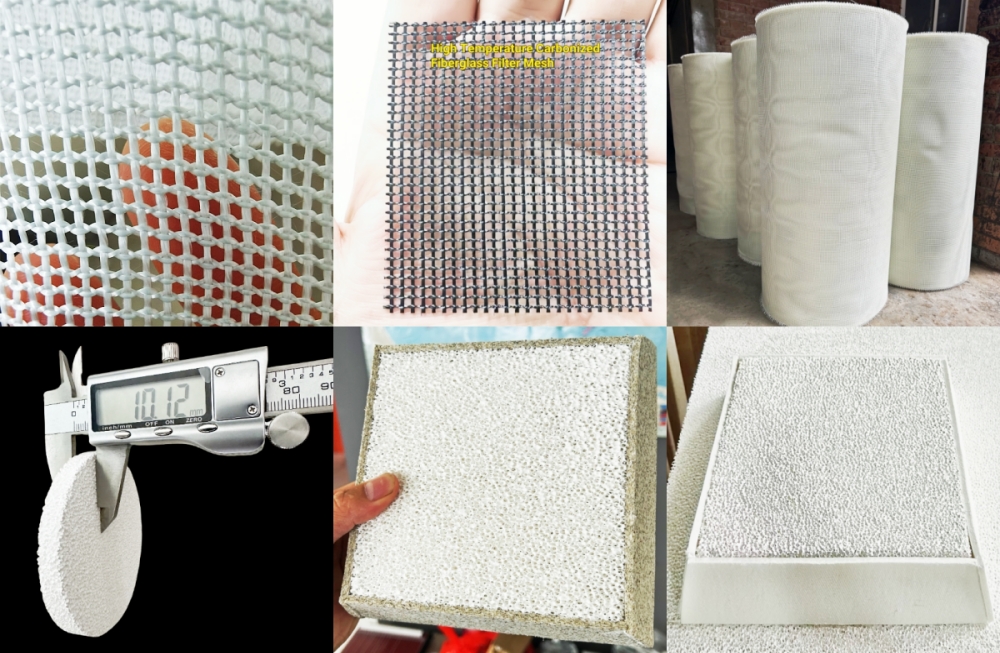
Molten metal filtration is a proven, cost-effective solution to block these contaminants. Ceramic foam filters and fiberglass filter mesh and caps trap oxide skins and solid slag while maintaining stable melt flow. Proper pre-heating of filters and filter boxes also prevents cold shock and secondary oxidation during pouring.
Good melting practices, clean transfer launders, and reasonable gating design work together with filtration. If consistent slag defects still appear after refining, check filter selection, PPI rating, installation method and pre-heating process first.
Foundry filtration products from Hebei CangChen are designed for aluminum and aluminum alloy casting.
Contact us to get technical support and sample testing for your casting line.
Why Filtration Is Essential in Modern Foundry Operations
Nov. 07, 2026
Contact Us
+86 158 3011 4065
Guoruiyuan Building, ShengLi North Street, Chang'An District, Shijiazhuang City, Hebei Province, China.
Navigation
Navigation