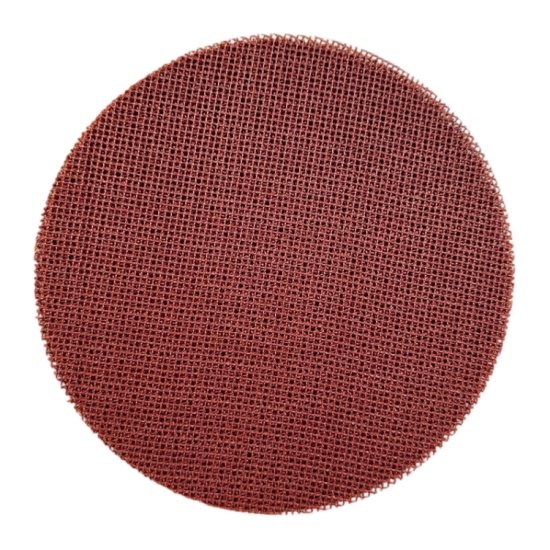
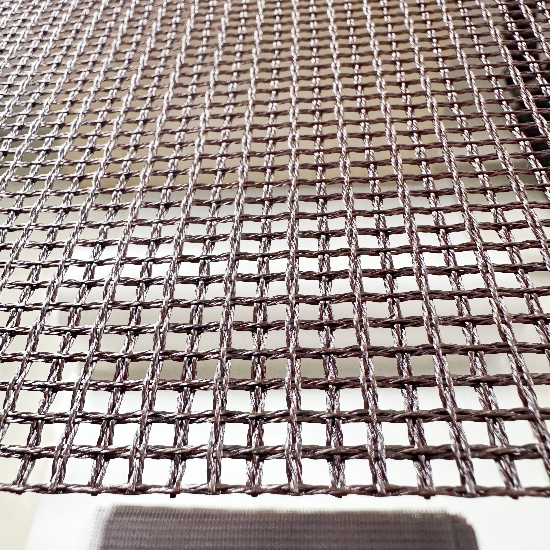
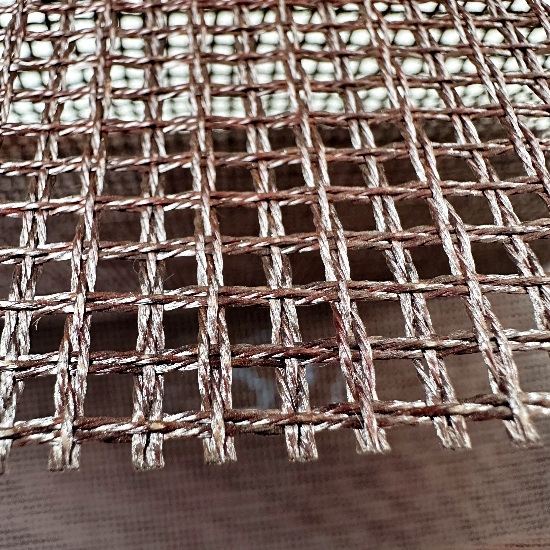
Fiberglass Filtration Mesh
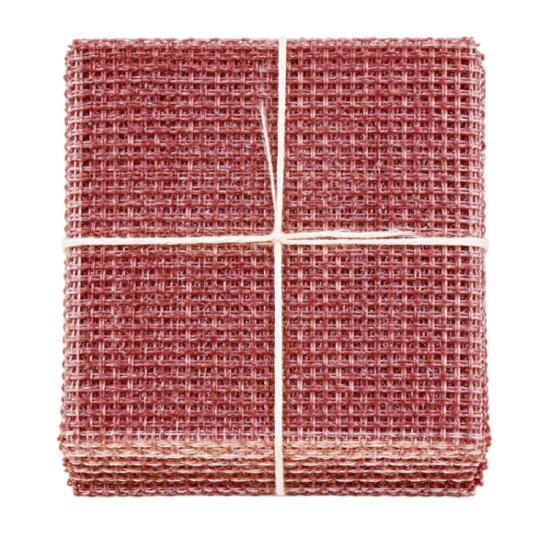
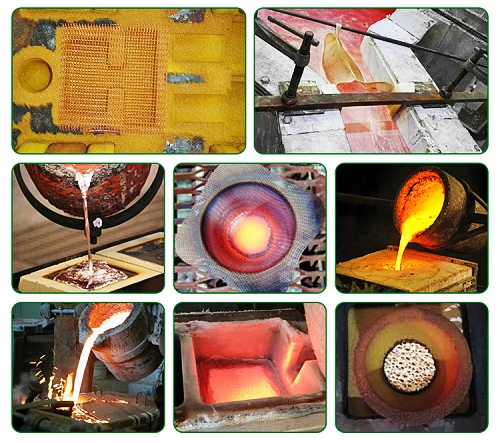
A high-temperature woven mesh filter manufactured from ≥96% SiO₂ high-silica yarn, purpose-built for in-mold filtration of gray iron, ductile iron, copper-based alloys, and small steel castings. As molten metal passes through the woven mesh, slag, oxide skins, eroded sand, and non-metallic inclusions are retained upstream, while the metal stream is divided into thin filaments for smoother, more laminar filling.
● Withstands up to 1620 °C — engineered for ferrous and copper-alloy pouring temperatures
●Traps furnace slag, oxide films, and magnesium reaction products before they reach the mold cavity
● Promotes laminar flow — reduces turbulence, sand erosion, and reoxidation defects
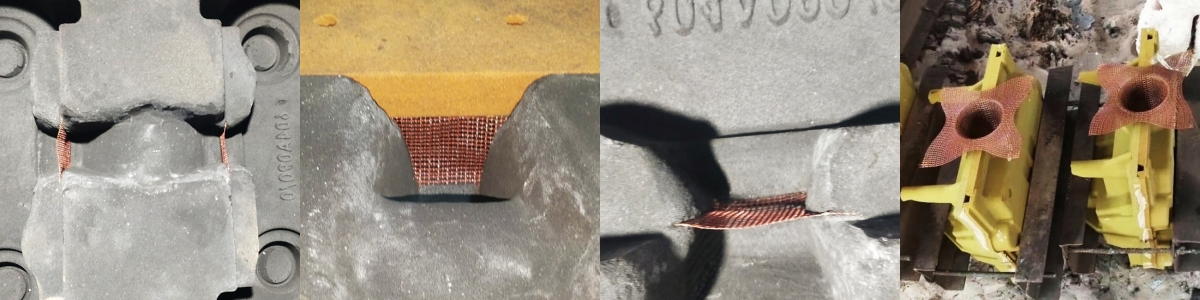
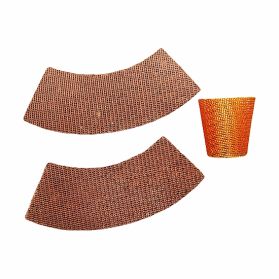
● Riser knock-off function — pre-formed caps act as a breaker core for easier de-gating
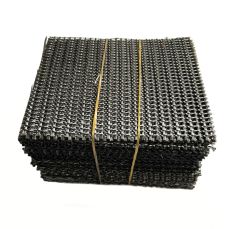
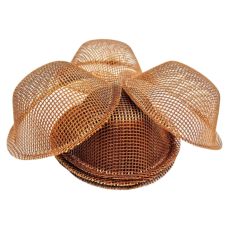
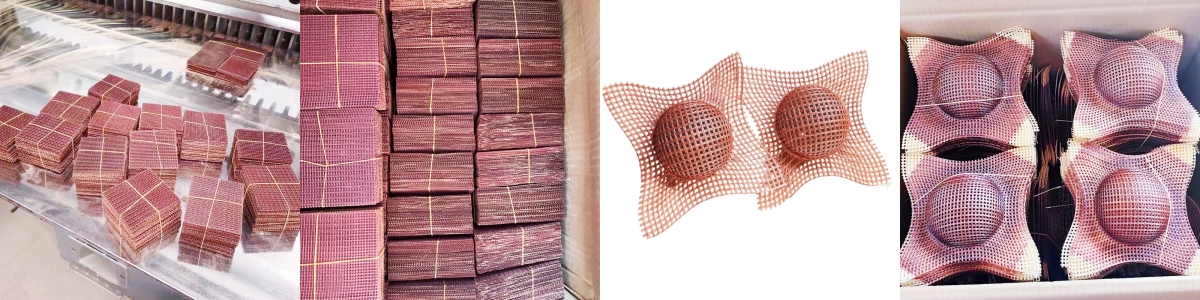
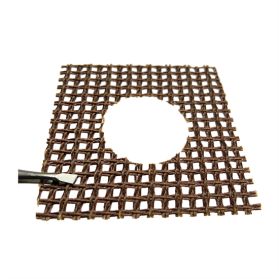
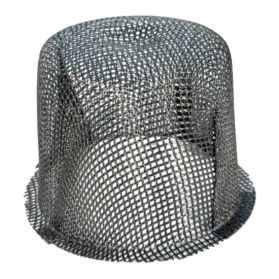
● Available as flat mesh sheets/rolls or pre-formed caps for sprue, pouring cup, or riser placement
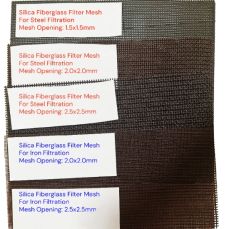
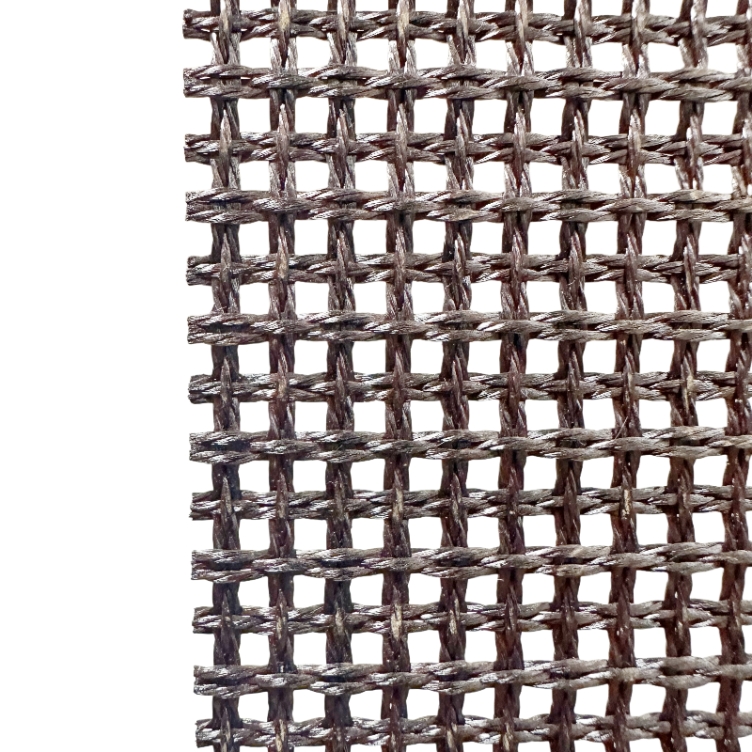
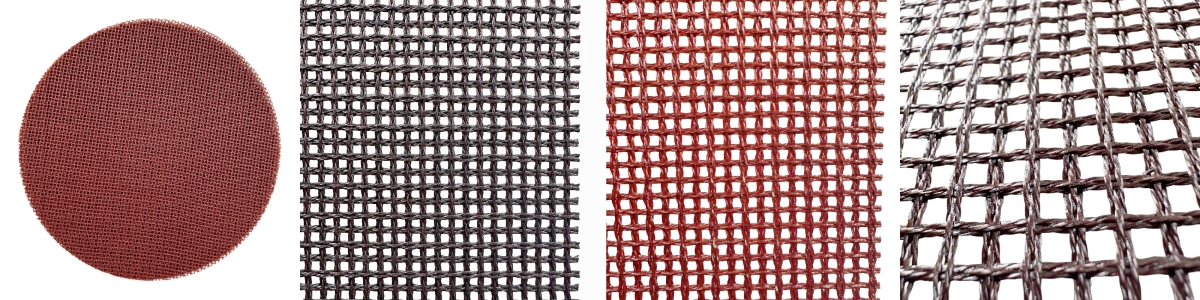
Suitable for gray iron, ductile iron, malleable iron, compacted graphite iron, brass, bronze, copper alloys, and small carbon / alloy steel castings. Supplied brown-black high-silica grade, with mesh openings of 1.5 / 2.0 / 2.5 mm.
Description
This filter mesh is woven from continuous high-silica fiberglass yarn containing 96% SiO₂ or higher. The high silica content gives the fiber a softening point of approximately 1700 °C and structural integrity across the entire ferrous and copper-alloy pouring window — gray and ductile iron at 1350–1450 °C, copper alloys at 1000–1200 °C, and small steel castings at 1500–1600 °C.
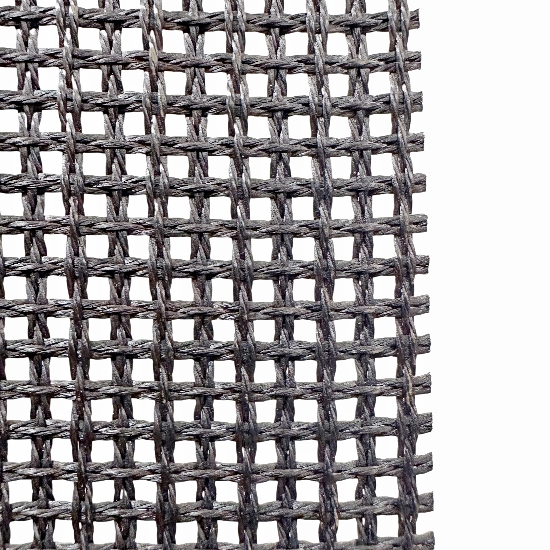
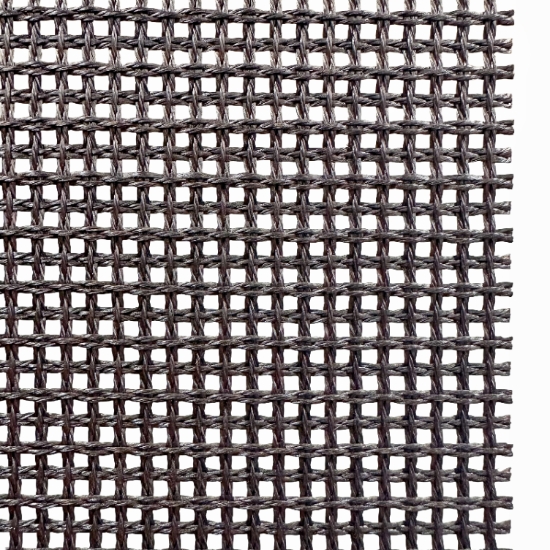
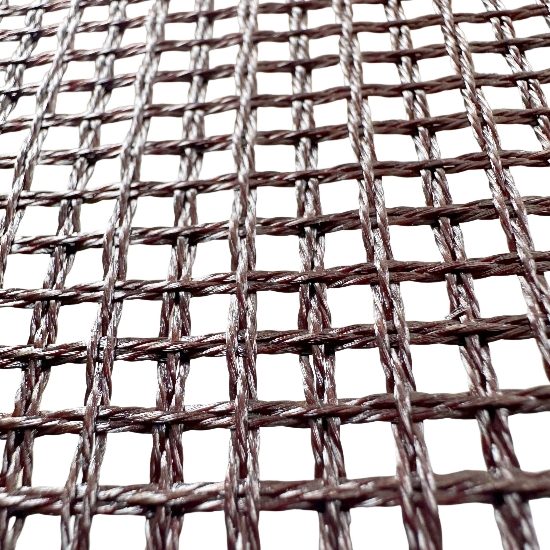
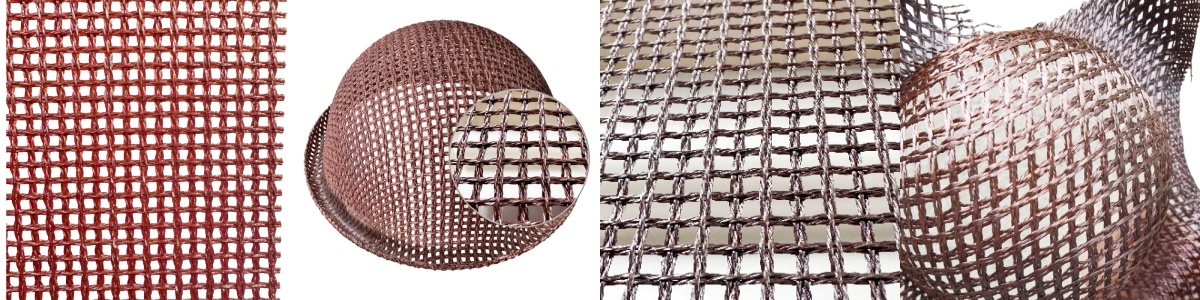
The mesh is woven in a mock-leno construction, which locks the yarns in place and prevents mesh distortion under the weight and velocity of falling molten metal. After weaving, the fabric is coated with a special refractory treatment that further improves high-temperature resistance, reduces gas evolution (below 60 cm³/g), and adds stiffness so the mesh holds its shape when placed in the gating system. The resulting fabric density is 500–600 g/m², with an open area of 30–55%.
A zircon-coated variant is available for steel applications where extra refractory protection is required.
| Type | High Silica Fiberglass Filter Mesh For Steel Iron & Copper | |
| Work Temperature | ≤1620℃ | |
| Softening Temperature | 1700℃ | |
| Continuous Working Hours | <10 Min.(1400-1450℃) | |
| <4 Min.(1450-1560℃) | ||
| <15 Seconds.(1560-1620℃) | ||
| Gas Emit | ≤60cm 3/g | |
| Thickness | 1.5mm | |
| Weight | 520-580 g/m2 | |
| Weave Pattern | Mock Leno | |
| Hole Size | 1.5*1.5/2.0*2.0/2.5*2.5mm | |
| Mesh Opening Chosen | White Iron | 1.5mm |
| Gray Iron(Pour weight≤100kgs ) | 1.5mm | |
| Gray Iron(Pour weight≥100kgs ) | 2.0mm | |
| Malleable Iron | 1.5mm | |
| Compacted Graphite Iron | 1.5mm & 2.0mm | |
| Ductile Iron(Pour weight ≤ 100kg) | 2.0mm | |
| Ductile Iron(Pour weight ≥ 100kg) | 2.5mm | |
| Carbon Steel | 1.5mm | |
| Stainless Steel | 1.5mm | |
| Brass | 1.5mm & 2.0mm | |
| Bronze | 1.5mm & 2.0mm | |
| Certificate | SDS | |
| ISO9001:2015 | ||
Slag inclusions, eroded sand particles, oxide films, magnesium reaction products, and inoculant residues are the most common sources of scrap in ferrous and copper-alloy casting. They are introduced during melting, transfer, and pouring. If they reach the mold cavity, they become slag holes, sand inclusions, pressure leaks, and machining problems that appear at radiographic inspection, pressure testing, or on the customer's machining line.
A flat mesh screen placed in the runner or sprue base offers protection, but it depends on a tightly fitted seat — and that seat wears as sand shifts and the cope settles. Before long, metal finds its way around the filter, and all that slag passes directly into the casting. A pre-formed cap filter slips over the outside of the pouring cup or riser neck and seals mechanically, so 100 percent of the metal is forced through the woven mesh — no bypass, no worn seat.
Filtration also reduces turbulence in the gating system. Less turbulence means less sand erosion, less reoxidation, and a more predictable filling pattern. In many foundries, filtered gating systems can be downsized compared with unfiltered systems, because the filter itself slows and straightens the metal stream.
As molten metal passes through the mesh, three filtration mechanisms act simultaneously:
1. Barrier filtration. Any particle larger than the mesh opening — furnace slag, oxide skin, sand grains, refractory wash, flux lumps, and dross — is retained on the upstream surface of the mesh.
2. Depth adsorption. Finer inclusions small enough to pass through the openings are adsorbed onto the fiber surface as the metal flows through the woven mesh structure.
3. Flow straightening. The mesh divides the falling jet into many thin streams, lowers the Reynolds number, and allows the cavity to fill in laminar fashion rather than folding over and reoxidizing. This also permits light inclusions to float out rather than being trapped in the casting.
In ductile iron, the mesh additionally removes magnesium reaction products and inoculant residues before they enter the cavity — a common source of inclusions, pinholes, and surface defects in nodular iron castings.
1. Casting processes
● Sand casting (green sand, resin sand, furan, no-bake)
● Gravity die casting / permanent mold (for copper alloys)
● Investment (lost-wax) casting
● Shell molding
● V-process casting
2. Common castings
● Iron: Engine blocks, cylinder heads, brake discs, brake drums, pipes, fittings, flanges, machine beds, cookware, counterweights
● Copper alloys: Bearings, bushings, valve bodies, gears, electrical components, marine hardware, water fittings
● Small steel castings: Valves, pipe fittings, hardware, tooling components, pump parts
3. Compatible alloys
● Gray cast iron (GG20, GG25, GG30), ductile iron (GGG40, GGG50, GGG60), malleable iron, compacted graphite iron
● Brass (H62, H68), bronze (tin bronze, aluminum bronze), copper-based alloys
● Carbon steel, low-alloy steel (small castings; use ceramic foam filters for critical or heavy-section steel castings)
Foundries using high-silica mesh filtration typically report:
● Reduction in slag-hole and sand-inclusion defects
● Fewer pressure-test leaks in hydraulic and pneumatic castings
● Less machining rework on surfaces where inclusions are exposed
● Improved surface finish, reducing grinding and shot-blasting time
● Fewer customer rejections on machined or pressure-tested parts
● Riser knock-off capability, reducing grinding labor
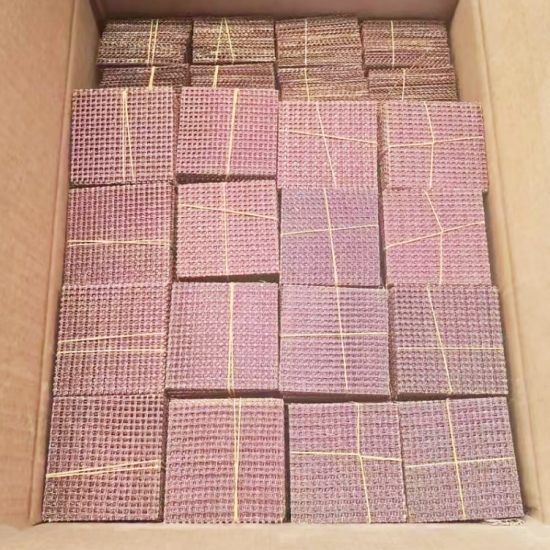
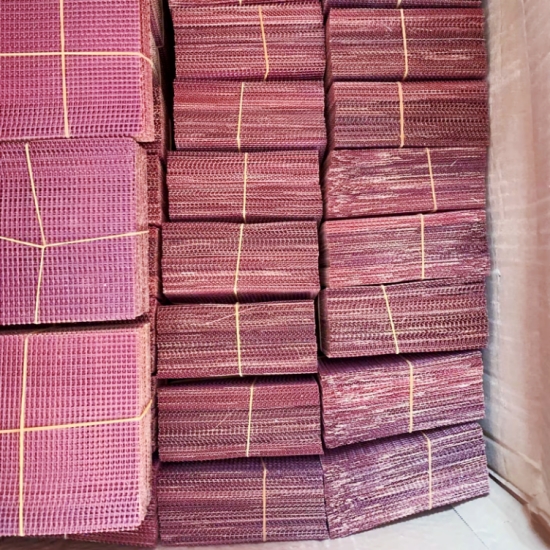
The filter is a single-use consumable — low in cost, simple to install, and discarded with the gating system after shakeout.
This product is supplied as a single brown-black high-silica grade. Selection is by mesh opening and form factor.
1. Mesh opening by alloy
● Iron (gray / ductile): 2.0 – 2.5 mm
● Copper / bronze: 1.5 – 2.0 mm
● Small steel castings: 2.0 – 2.5 mm
As a general rule: larger mesh openings allow faster filling for larger and heavier castings; smaller openings provide finer filtration for precision or pressure-tested parts.
2. Form factor
● Flat mesh sheets or rolls — placed in the runner or sprue base, close to the cavity. Available in standard cut sizes or slit to width to match your gating design.
● Pre-formed caps — slip over the pouring cup or riser neck; no machined seat required. Also serve as a riser breaker core for easier de-gating after shakeout.
3. Installation tips
● Place the filter as close to the mold cavity as practical to maximize the length of filtered flow path.
● Ensure 100% of the metal passes through the mesh — check that no metal can flow around the edges of the filter seat.
● Preheat iron and steel filters to 300–500 °C before pouring to prevent thermal shock. Copper alloy filters require a shorter preheat at 150–200 °C.
● Store filters in a dry bin and avoid moisture absorption.
1. Can high-silica mesh be used for steel castings?
Yes, for small to medium steel castings. The brown-black high-silica grade withstands up to 1620 °C. For heavy-section or safety-critical steel castings, ceramic foam filters are recommended instead.
2. What mesh opening should I choose for my casting?
For gray and ductile iron, 2.0–2.5 mm is standard. For copper and bronze, 1.5–2.0 mm provides finer filtration. For small steel castings, 2.0–2.5 mm is typical. Larger openings allow faster filling; smaller openings provide cleaner metal for precision parts.
3. Do I need to preheat the filter for iron casting?
Yes. High-silica filters for iron and steel should be preheated to 300–500 °C before pouring to prevent thermal shock and premature failure. Copper alloy filters require a shorter preheat at 150–200 °C.
4. Can the mesh also be used for riser knock-off?
Yes. When a pre-formed cap is set on the riser neck, it acts as a built-in breaker core. After shakeout, a light tap removes the riser at the filter location, reducing grinding time.
5. Is high-silica mesh suitable for ductile iron?
Yes. In ductile iron, the mesh traps magnesium reaction products, inoculant residues, and oxide inclusions — all common sources of surface defects, pinholes, and internal porosity in nodular iron castings.
6. How long does the filter survive during pouring?
The high-silica mesh maintains its structural integrity for several minutes of contact with molten iron or steel — well within the typical pour duration of a single molding. It is a single-use consumable and is discarded with the gating system after shakeout.
7. What is the difference between flat mesh and pre-formed caps?
Flat mesh is cut to size and placed in a machined seat in the runner or sprue base. Pre-formed caps are molded to fit over a pouring cup or riser neck, providing a mechanical seal that eliminates the need for a tight seat and prevents metal bypass. Choose based on your gating design and production method.
Application:
Iron: Engine blocks, cylinder heads, brake discs, brake drums, pipes, fittings, flanges, machine beds, cookware, counterweights
Copper alloys: Bearings, bushings, valve bodies, gears, electrical components, marine hardware, water fittings
Small steel castings: Valves, pipe fittings, hardware, tooling components, pump parts
Gray cast iron (GG20, GG25, GG30), ductile iron (GGG40, GGG50, GGG60), malleable iron, compacted graphite iron
Brass (H62, H68), bronze (tin bronze, aluminum bronze), copper-based alloys
Carbon steel, low-alloy steel (small castings; use ceramic foam filters for critical or heavy-section steel castings)
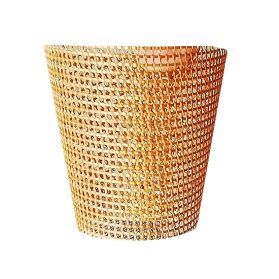
Silica Mesh Filter For Foundry Casting Metal Filtration
Silica Mesh Filter For Molten Aluminium, Steel, Iron and Copper Filtration.
Smokeless Odorless Fiberglass Casting Filter Mesh For Aluminum
Smokeless Odorless and Flameless Fiberglass Casting Filter Mesh For Aluminum liquid Filtration.
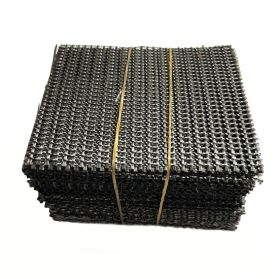
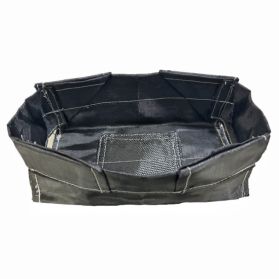
TF Combo Bag For Aluminum Ingot And Slab Filtration
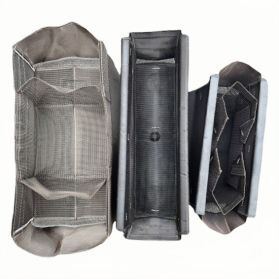

Soft Carbon Fiber Filter Bag For High Precision Aluminum Liquid Filtration
Soft Carbon Fiber Filter Bag For High Precision Aluminum Liquid Filtration
Look forward to hearing from you:
Contact Us
+86 158 3011 4065
Guoruiyuan Building, ShengLi North Street, Chang'An District, Shijiazhuang City, Hebei Province, China.
Navigation
Navigation